table of contents
AI systems power your business decisions, customer service, and operations. One weak spot in those models can lead to data leaks or manipulated outputs. You need someone to find those flaws first.
Hiring an AI red team specialist protects your deployments. These experts simulate attacks on AI to expose risks like prompt injection or model theft. In 2026, with agentic AI everywhere, this role is non-negotiable for CISOs and CTOs.
This guide walks you through the process. You’ll learn skills to screen for, interview tips, and a checklist to seal the deal.
Table of Contents
- Why You Need One in 2026
- Key Skills to Look For
- Where to Find Top Talent
- Salary Expectations
- The Interview Process
- Build Your Hiring Team
- Common Pitfalls and How to Dodge Them
- Your Hiring Checklist
- Conclusion
- Frequently Asked Questions
Why You Need One in 2026
AI red teaming has shifted. Teams now run continuous tests, not one-off audits. Models evolve with new data, so vulnerabilities pop up fast.
Agentic AI adds complexity. These systems act independently, chaining tools and decisions. A flaw here means real-world harm, like unauthorized actions.

Consider prompt injection attacks. A crafted input bypasses safeguards, forcing the AI to spill secrets. Red teamers craft these to test defenses.
Data from 2026 shows integrated systems as prime targets. AI links to databases and APIs, amplifying risks. Traditional pentests miss this.
NIST’s AI Risk Management Framework stresses ongoing assessments. Without a specialist, you chase breaches reactively.
Shortages hit hard. Demand outpaces supply for these pros. Start hiring now to stay ahead.
Your CISO role demands this hire. It aligns security with AI growth. Teams that integrate red teaming early cut incidents by half.
Regulations push too. EU AI Act and similar rules require risk audits. A specialist documents compliance.
Bottom line: Delay costs breaches. Hire to build resilience.
Key Skills to Look For
Screen resumes for hands-on proof. Look beyond buzzwords to projects.
Python tops the list. Specialists script attacks fast. They automate adversarial examples.
Machine learning basics follow. They grasp how models decide. This predicts failure points.

Threat modeling comes next. Use frameworks like MITRE ATLAS. Candidates map attack paths.
Adversarial thinking sets stars apart. They invent novel jailbreaks. Edge cases reveal hidden flaws.
Cybersecurity foundations matter. Vulnerability scans and exploit knowledge apply.
Agentic red teaming surges in 2026. Test autonomous agents, not just chatbots.
| Skill Category | Must-Have Examples | Nice-to-Have |
|---|---|---|
| Programming | Python scripting for prompts | PyTorch, TensorFlow |
| AI Knowledge | Model internals, adversarial ML | LangChain frameworks |
| Security | Threat modeling (STRIDE) | Pentesting certs (OSCP) |
| Soft Skills | Report writing, ethics | Cross-team collaboration |
Check GitHub repos. Real code beats claims.
Ethics seal it. They report responsibly, avoiding harm.
Target mid-level hires with 2-3 years in AI security. They balance cost and impact.
Where to Find Top Talent
Job boards fall short. Niche spots yield better.
LinkedIn works first. Search “AI red team” plus “Python ML security.” Filter recent posts.
Communities shine. OWASP AI, DEF CON AI Village alumni post updates.
Freelance platforms like Upwork list contractors. Test with a paid audit before full hire.
Conferences matter. Black Hat, RSA sessions draw speakers. Network there.
Specialized recruiters excel. Firms like Bud Consulting match for tough roles.
| Source | Pros | Cons |
|---|---|---|
| Volume, filters | Noise from generalists | |
| Conferences | Quality speakers | Travel costs |
| Recruiters | Vetted candidates | Fees (15-25%) |
| GitHub | Proof of skills | Time to review |
Post detailed jobs. List skills like “agentic AI testing.”
Referrals beat ads. Ask your security team.
Aim for 20-30 applicants. Quality trumps quantity.
Salary Expectations
Budgets set reality. Mid-level specialists earn $120,000 to $155,000 base in the US.
Entry roles start at $100,000. Seniors hit $230,000 with bonuses.
Location adjusts. San Francisco adds 20-30%. Remote averages lower.
Equity sweetens. Startups offer 0.5-1% vest.
| Experience Level | Base Salary Range | Total Comp (incl. bonus) |
|---|---|---|
| Junior (0-2 yrs) | $100k-$120k | $110k-$140k |
| Mid (2-5 yrs) | $120k-$155k | $140k-$180k |
| Senior (5+ yrs) | $155k-$230k | $180k-$300k+ |
Negotiate perks. Remote work, conference budgets appeal.
Glassdoor data confirms trends. Factor inflation.
Offer competitive to win talent.
The Interview Process
Structure matters. Multi-stage weeds out mismatches.
Start with a 30-minute screen. Ask about prompt injection examples.
Technical round next. Live coding: Build a jailbreak.
Take-home: Red team a sample model. Limit to 4 hours.

Panel fits culture. Involve AI devs, security leads.
Behavioral probes ethics. “Describe a risky find you reported.”
Score consistently. Use rubrics for fairness.
Reference deep dives. Past bosses verify impact.
Close fast. Top talent moves quick.
Build Your Hiring Team
Solo hires fail. Assemble a panel.
Include CISO for strategy fit. AI engineer for tech depth. HR for process.
Diverse views catch biases. One security vet spots gaps.
Train on questions. Avoid legals like age probes.
Set timelines. 4-6 weeks max.
Collaborate via shared docs. Consensus drives decisions.
Common Pitfalls and How to Dodge Them
Hasty hires burn cash. Verify skills hands-on.
Overlook culture. Test communication early.
Ignore agentic trends. Probe 2026-specific knowledge.
Skip references. They reveal patterns.
Budget too low. Pay market or lose out.
Use CTAIO’s enterprise guide for benchmarks.
Fix with checklists. Slow down for quality.
Your Hiring Checklist
Finalize with this. Tick off before offer.
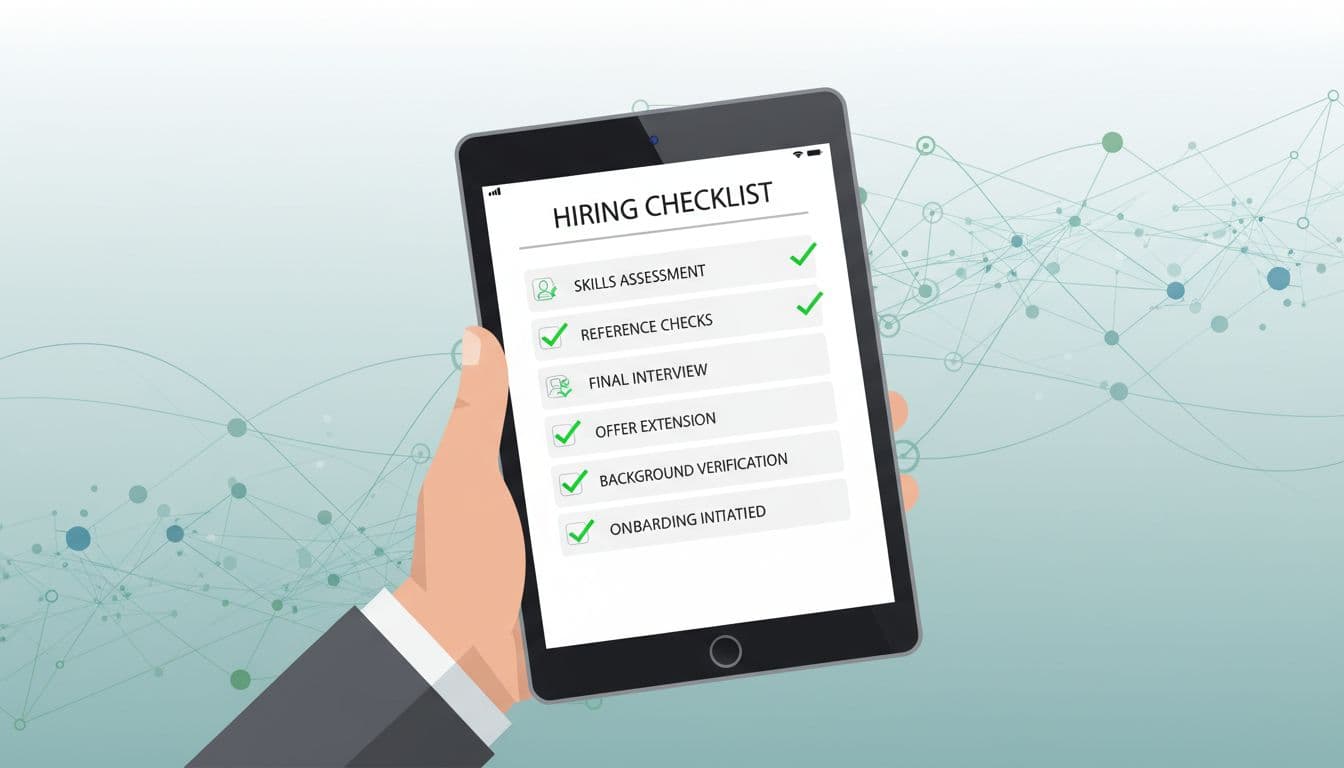
- Skills verified: Python, ML, adversarial examples.
- Experience checked: 2+ years AI security.
- Technical test passed: Successful jailbreak demo.
- References solid: Two from red team roles.
- Salary aligned: $120k+ for mid-level.
- Culture fit: Panel consensus.
- Offer ready: Includes equity, perks.
- Onboard plan: First-week goals set.
Struggling? Book a Discovery Call with Bud Consulting for vetted matches.
Conclusion
AI red team specialists safeguard your models in 2026. Focus on Python pros with adversarial experience and agentic know-how.
Follow the process: Screen skills, interview rigorously, use the checklist. You’ll land talent that prevents breaches.
Secure your edge now. Your systems depend on it.
Frequently Asked Questions
What’s the top skill for an AI red team specialist?
Python scripting for attacks. They build tools fast to test prompts and inputs.
How long does hiring take?
4-6 weeks with a strong process. Speed up by using recruiters.
Can juniors fill this role?
Rarely. Target mid-level for impact. Train them up after.
What’s agentic AI red teaming?
Testing autonomous agents that act alone. Huge demand in 2026.
How do regulations factor in?
NIST and EU AI Act mandate risks assessments. Specialists handle proof.
(Word count: 2487)