table of contents
Insider threats hit 76% of organizations in 2024. That’s up from 66% just five years earlier. Most come from mistakes, not spies.
You manage people every day. HR leaders often see changes first. Yet many lack training to connect those dots to security risks. This leaves gaps.
Good news: targeted training fixes that. It equips your team to spot issues early while respecting privacy. Let’s look at how.
Why Insider Threats Demand HR Attention Now
Insider incidents doubled from 2018 levels by 2025. Companies face 21 to 40 events yearly. Negligence drives 55% of them. External tricks account for 20% more.
HR sits at the center. You hold personnel files. Patterns emerge in performance reviews or exit interviews. Security teams miss those.
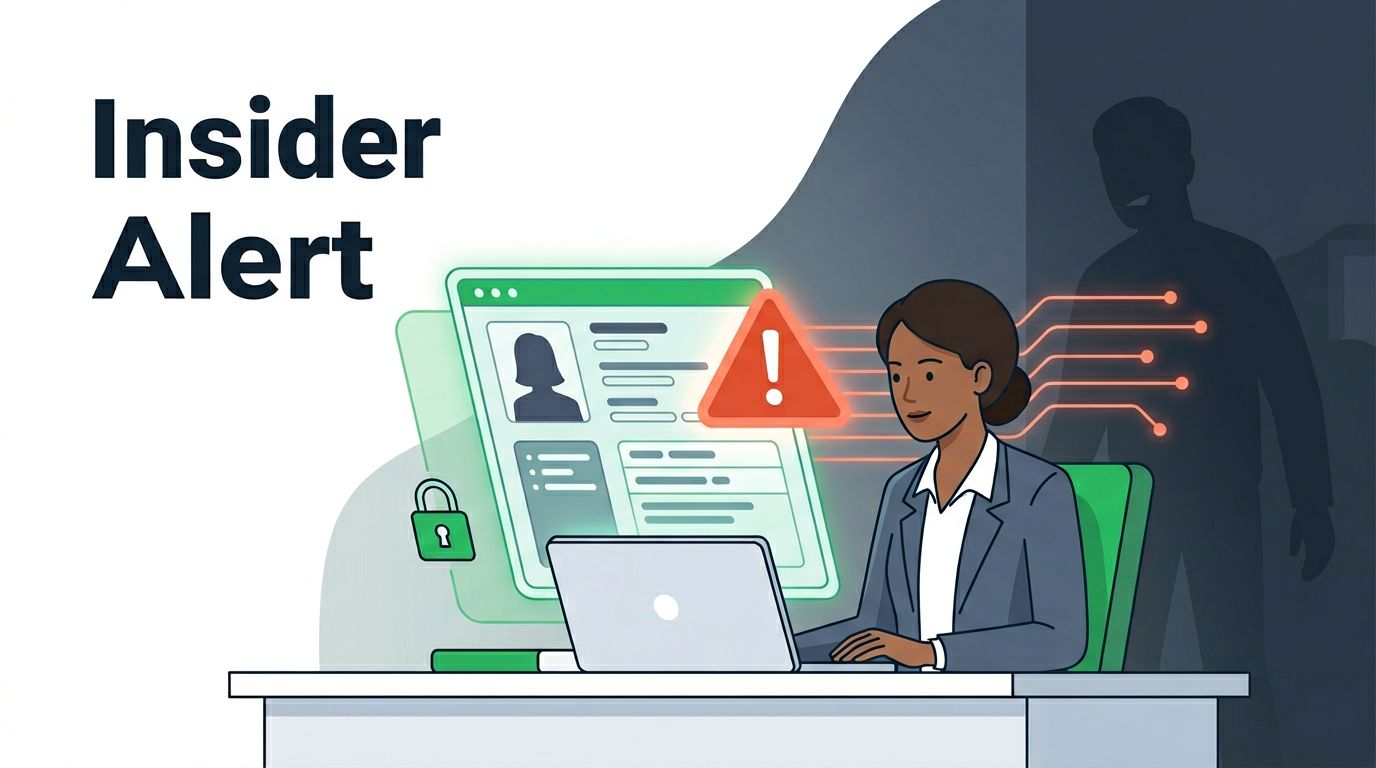
Consider a sales rep who suddenly accesses finance files. Or an engineer printing sensitive docs before vacation. HR notices the stress or odd requests first.
CISA stresses this in their fact sheet on HR’s role in preventing insider threats. They note HR spots trends that save millions in losses.
Training bridges the gap. It teaches your staff to flag risks without accusing. Balance comes from clear policies. Everyone wins when you act early.
AI adds new twists. Tools like chatbots now act as “digital insiders.” In 2025, over 90 firms saw them exploited. HR must learn these shifts too.
Types of Insiders HR Encounters
Not all insiders mean harm. Break them into three groups. This helps your team respond right.
Malicious insiders act on purpose. They steal data for gain. Think disgruntled employees selling secrets. These make up 25% of cases.
Negligent ones cause most trouble. They click bad links or share passwords. Stress or haste leads to errors. No ill intent, but damage follows.
Compromised insiders fall to tricks. Phishing or deepfakes fool them. Attackers use their access. Recent trends show 60% of firms hit by such impersonations.
HR training must cover these. Use real scenarios. For example, a manager gets a fake exec email. They approve unusual access.
Distinctions matter for ethics. Punish malice. Coach negligence. Support the compromised. Legal rules guide each path.
The CDSE student guide for HR on insider threats outlines this well. It stresses privacy alongside detection.
Key Red Flags HR Should Watch For
HR sees people up close. Look for behavior shifts. They signal potential risks.
Sudden performance drops top the list. An employee misses deadlines. They avoid team meetings. Isolation grows.
Financial stress shows too. Complaints about debt. Requests for advances. Or flashy spending out of nowhere.
Access changes raise flags. Someone seeks files outside their role. They work odd hours. Frequent USB use stands out.
Personal issues matter. Divorce talks. Health woes. Anger at leadership. These fuel risks.

Document these neutrally. Note dates and facts. Don’t judge yet.
The NICCS insider threat awareness training teaches managers these signs. HR pros gain skills to prioritize real threats.
Privacy stays key. Observations come from open interactions. No spying. Ethics build trust.
Building an Effective Training Program
Start with short sessions. One day works for basics. Cover types, flags, and reporting.
Use case studies. Show a negligent click leading to breach. Or malice in data theft. Real stories stick.
Make it interactive. Role plays help. Practice spotting flags in mock chats.
Tailor to HR roles. Focus on reviews, onboarding, offboarding. These touchpoints reveal risks.
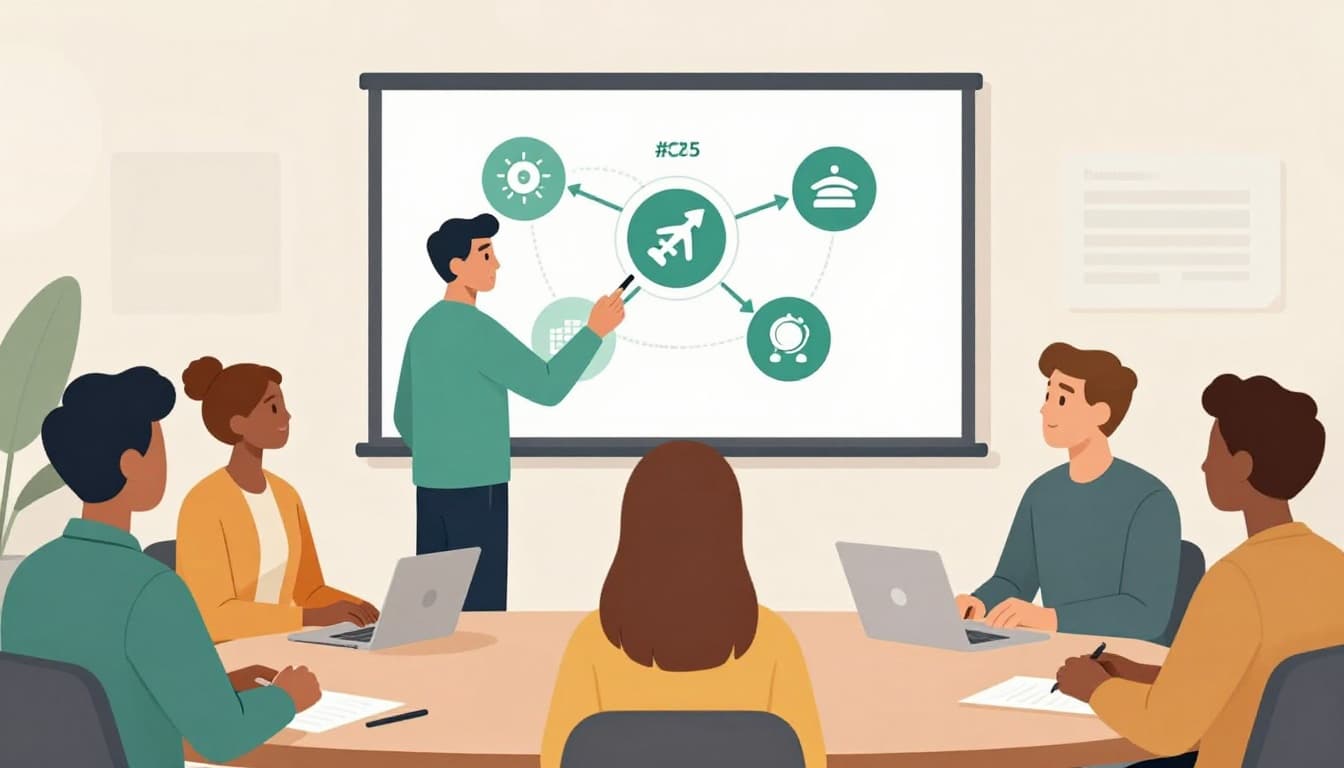
Annual refreshers keep skills sharp. Track via quizzes. Aim for 90% pass rates.
CISA’s multi-disciplinary team guide suggests workshops. They build cross-team ties.
Measure success. Fewer escalations mean better detection. Or faster responses.
Budget for experts. Internal leads save costs. Outside facilitators add depth.
When HR Should Escalate and How
Not every flag needs action. Use judgment. One sign alone rarely proves threat.
Patterns trigger steps. Two or more flags warrant a note. Share with a trusted lead.
Escalate to security or risk teams. Use defined channels. A shared form works best.
Document everything. Who, what, when. Facts only. This protects all sides.
Legal compliance guides you. Follow data laws. Consult counsel if unsure.
For negligence, coaching often suffices. Training reinforces habits.
The CDSE Insider Threat Awareness course details reporting. It promotes proactive steps for good outcomes.
Test your process. Tabletop exercises simulate cases. Refine as needed.
Integrating HR into Broader Insider Risk Management
HR doesn’t work alone. Join forces with IT and security. Form a core team.
Meet monthly. Review trends. Share insights from personnel data.
Onboarding screens for risks. Check backgrounds per CISA’s employment screening fact sheet.
Offboarding revokes access fast. Exit interviews probe motives.
Policies tie it together. Clear rules on reporting. No retaliation promises.
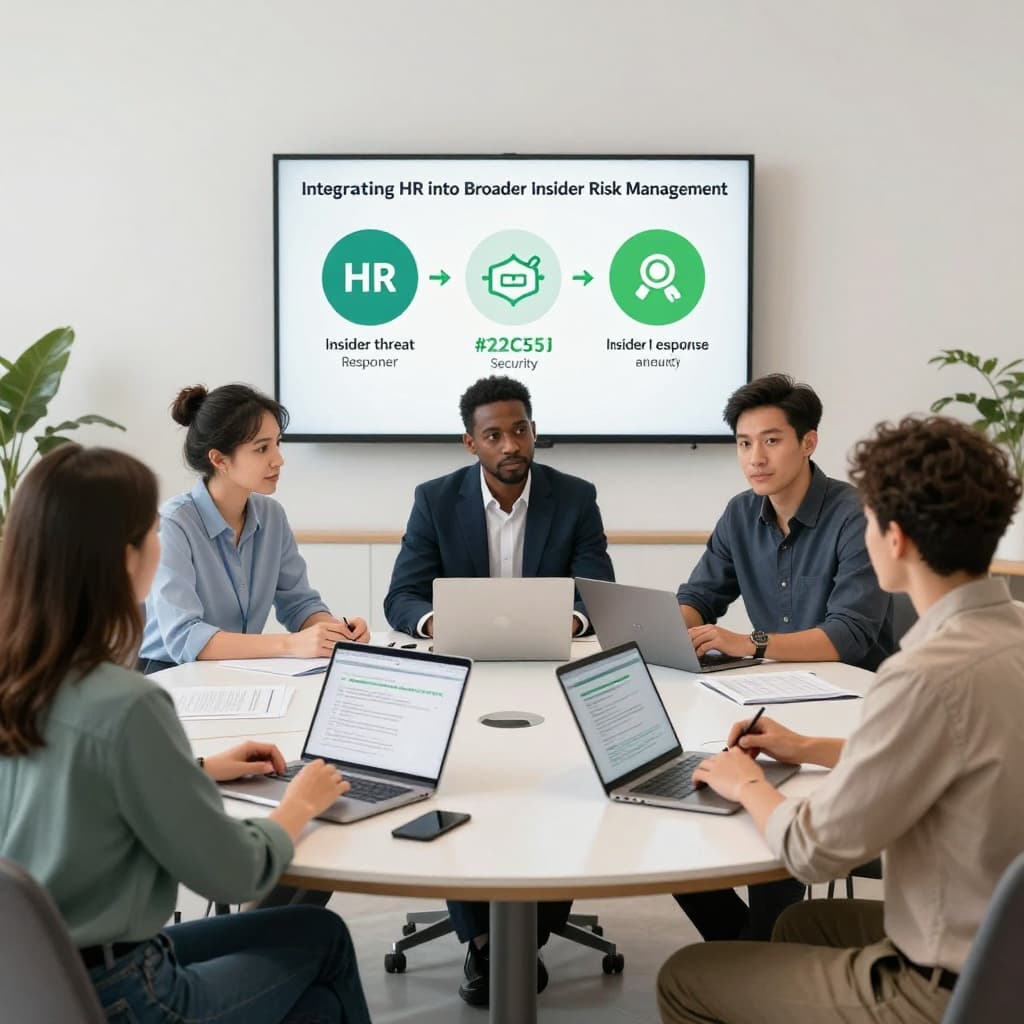
AI risks demand updates. Monitor tool access like human logins.
This setup cuts incidents. Teams catch 44% more signals early.
Conclusion
HR training on insider threat detection changes everything. You spot 75% non-malicious risks first. Act with ethics and speed.
Key steps include flags, escalation paths, and team ties. Results show in fewer breaches.
Stronger culture follows. Employees feel supported. Risks drop.
Your program starts now. Build it step by step. Book a Discovery Call with Bud Consulting to get expert input.