table of contents
Cybersecurity teams face a talent crunch. About 4.8 million jobs sit empty worldwide in 2026, with niche spots like detection engineers and cloud security roles hardest to fill. You know the drill: postings linger for months, and external hires often leave fast.
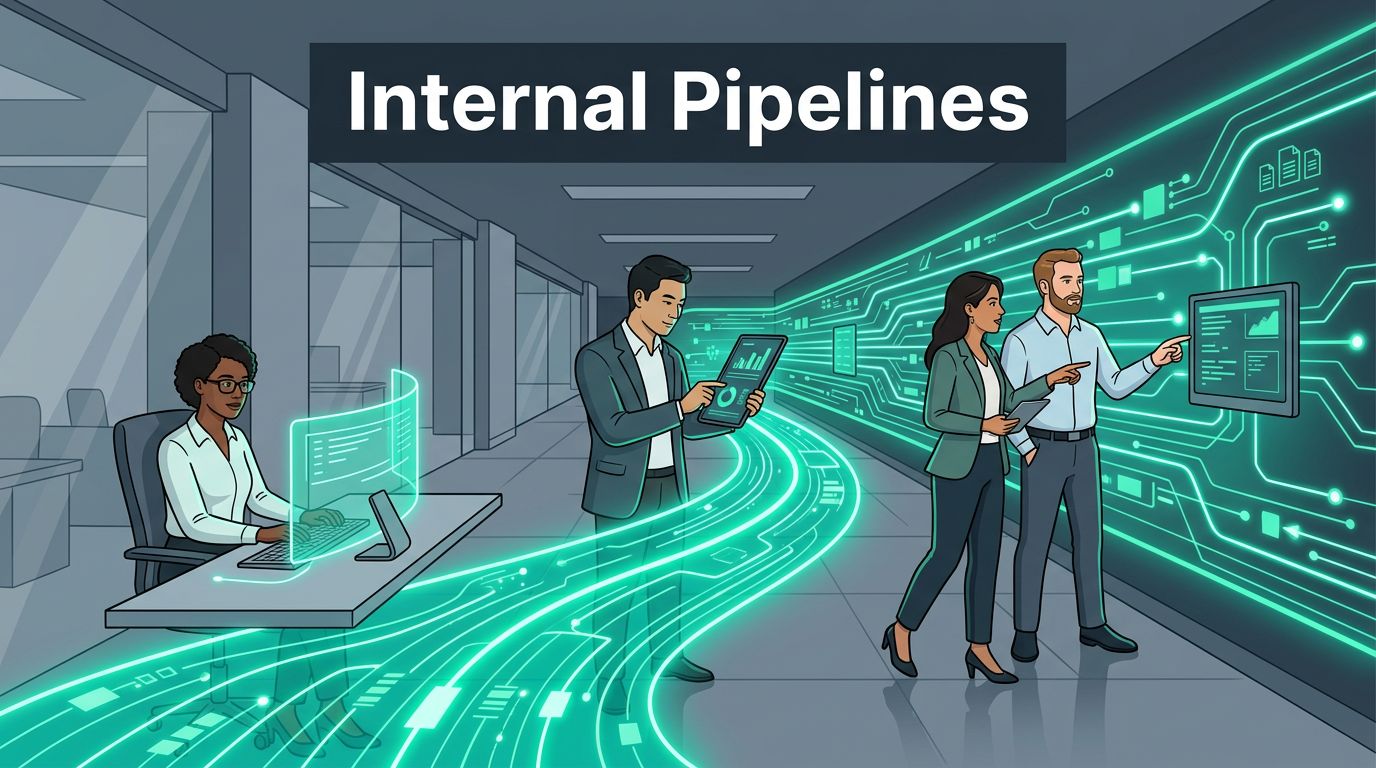
Internal pipelines fix this. They tap your existing staff, cut time-to-fill by half, and keep knowledge inside. You build loyalty too. Let’s walk through the steps to set one up.
Assess Your Current Talent Pool
Start with what you have. Many security leaders overlook solid performers in IT or ops who could shift into detection engineering or GRC analysis. Map skills across departments.
Look at resumes and chat with managers. Who handles incidents well? Who scripts automations? Tools like skills matrices reveal hidden gems. A diverse team of three security pros reviews such charts on a wall screen and laptops here.
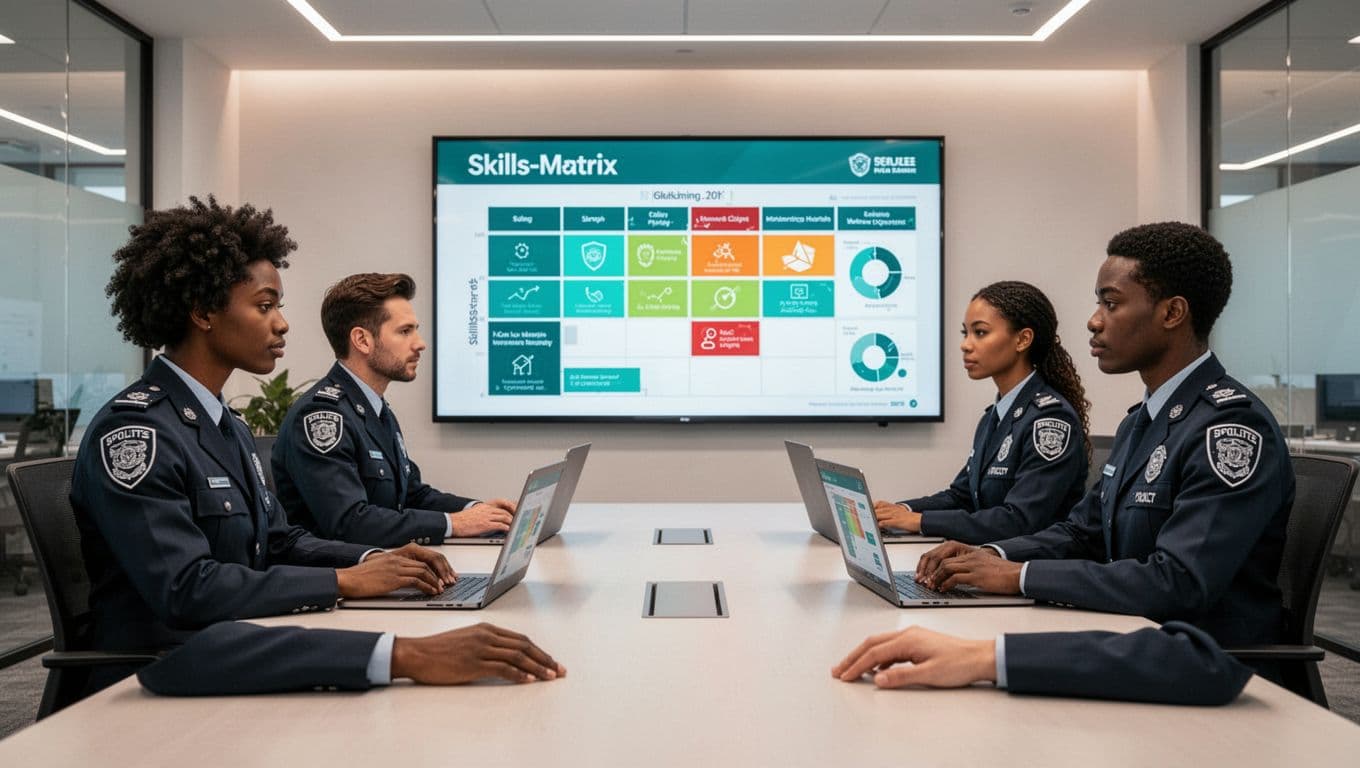
Focus on transferable skills. A helpdesk analyst grasps triage; train them for SOC duties. Cloud admins already touch AWS Security Hub. Prioritize roles with entry paths, like Security+ cert holders.
Run surveys. Ask staff about interest in security moves. Track responses in a simple spreadsheet: name, current role, target role, skill gaps. This baseline shows pipeline potential.
Expect surprises. Finance teams often excel in GRC because they know regs like NIS2. In one mid-size firm, 20% of cloud security hires came from internal devs. However, bias creeps in. Managers hoard talent, so involve HR early.
After assessment, rank candidates. High-potential ones get first dibs on training. This step alone boosts internal fills by 30%. Next, frame the full pipeline.
Design Your Pipeline Framework
Pipelines need structure. Think five stages: assess, train, mentor, rotate, promote. Each feeds the next for steady flow into roles like app sec specialists.
Visualize it as a flowchart. Icons mark progress from skills check to promotion.

Tailor to your org. For detection engineers, stage one flags SOC analysts. Cloud security pulls from infra teams. GRC suits compliance folks. Gartner outlines similar steps in their cybersecurity talent guide.
Set timelines. Assessment quarterly. Training cohorts every two months. Rotations last 3-6 months. Promotions tie to KPIs like alert triage speed.
Document it. Create a one-page playbook. Share via intranet. Get CISO buy-in first; they champion the budget. Without leadership, pipelines stall.
Test small. Pilot with five candidates for one role. Adjust based on feedback. This framework reduces external dependency. It also preserves knowledge, as staff stays longer.
In short, design beats ad hoc moves. Now build the training core.
Develop Training and Upskilling Programs
Training turns potential into pros. Niche roles demand hands-on work, so mix self-paced and group sessions.
Start with certs. Security+ opens doors for detection engineers. CCSP fits cloud security. GRC analysts need CRISC. Budget $2,000 per person yearly.
Partner with providers. SANS SEC541 teaches cloud threat detection. Coursera Google Cloud security covers GRC basics. Internal cohorts cut costs 40%.
Hands-on rules. Set up labs. Detection engineers build SIEM rules on mock EDR data. Cloud pros secure AWS with IaC tools like Checkov. App sec teams run SAST scans.
Two engineers and an instructor collaborate on cloud icons during a session like this.

Run 8-week programs. Week one: basics. Weeks two-four: tools. Rest: projects. Track completion rates. Offer stipends for top performers.
Blend roles. IT staff learn MITRE ATT&CK for detection. Devs grasp OWASP for app sec. This cross-pollinates knowledge.
Measure uptake. Aim for 15% staff participation yearly. Challenges arise, like time conflicts. Fix with flexible scheduling. Programs like these fill 25% of niche spots internally.
Upskilling pays off fast. Hires ramp quicker and stick around.
Launch Mentorship and Job Rotations
Mentors accelerate growth. Pair juniors with seniors for weekly check-ins. Detection hopefuls shadow SOC shifts. Cloud candidates join infra audits.
Structure rotations. 90-day stints in target teams. GRC rotates through legal and audit. Set goals upfront: “Write three policies.” Debrief at end.
Overcome hurdles. Managers resist losing staff, so backfill with temps. Recognize rotators in all-hands. Offensive Security suggests job shadowing for smooth transitions.
Track progress. Use simple logs: skills gained, feedback scores. Promote top rotators. This builds bench strength.
One firm cut cloud security time-to-fill from 120 to 45 days via rotations. Retention hit 90%. Mentorship fosters culture too. Staff sees paths, so burnout drops.
Combine with training for full effect. Rotations cement classroom gains.
Tackle Common Challenges Head-On
Pipelines hit roadblocks. Managers block moves; fix with incentives like backfill funds. Skills gaps persist; layer assessments.
Cultural fit matters for niche roles. Internal transfers know the org, but test tech depth. WinTech outlines fixes like KPIs.
Budget squeezes training. Start free: GitHub rules, CTFs. Scale to paid.
Low participation? Promote via lunch talks. Tie to reviews. LinkedIn notes manager hoarding as top issue; align incentives.
Diversity lags? Recruit from underrepresented groups internally. Track metrics.
Realistic fixes work. One team overcame resistance by piloting; now 40% fills internal.
Address early, or pipelines dry up.
Measure Success with KPIs
Data drives improvement. Track internal fill rate: internals hired divided by total security hires. Aim for 30%.
Other keys: time-to-productivity (under 60 days), retention (85% at one year). Pipeline velocity: candidates to promotion speed.
Here’s a quick view of core metrics.
| KPI | Target | Why It Matters |
|---|---|---|
| Internal Fill Rate | 30% | Shows pipeline strength |
| Time-to-Fill (Internal) | <60 days | Beats external 120+ |
| 90-Day Performance Score | >90% | Measures ramp speed |
| Retention Rate | 85% | Cuts turnover costs |
Juicebox details mobility rates. Dashboards like this visualize trends.

Review quarterly. Adjust low performers. High scores justify budget.
KPIs prove ROI. Externals cost $50K+ to onboard; internals half that.
Scale and Integrate Across the Org
Grow beyond pilots. Embed in HR processes. Talent reviews flag pipeline candidates.
Expand roles. Add IAM, pen testing. Cross-train for multi-cloud.
Tech helps. Use LMS for tracking. AI matches skills to openings.
Sustain with culture. Celebrate wins. CISO keynotes boost buy-in.
At scale, pipelines fill 50% niches. Knowledge stays, teams strengthen.
For expert help, book a discovery call with Bud Consulting.
Key Takeaways
Internal security pipelines solve the 4.8 million job gap. They fill roles faster, retain talent, and lock in knowledge. Start with assessments, build stages, train hard, measure everything.
You cut external hunts and build loyalty. Teams thrive on internal growth.
Act now. Your next detection engineer waits in ops.