table of contents
One weak spot in your multi-tenant setup can expose every customer’s data. Take the Vercel breach in early May 2026. Hackers used a third-party tool to pivot across tenants and grab secrets. You don’t want that headache.
Multi-tenant SaaS security demands isolation at every layer. Tenants share resources, but data stays separate. Founders and engineers skip this at their peril. Recent reports show 92% of breaches tie to isolation failures.
These checklists fix that. They cover isolation, access, encryption, and more. Follow them to deploy safely.
Tenant Data Isolation Checklist
Data leaks happen when one tenant peeks at another’s info. Common mistake: trusting client-supplied tenant IDs. An attacker swaps an ID in a request and pulls rival data.
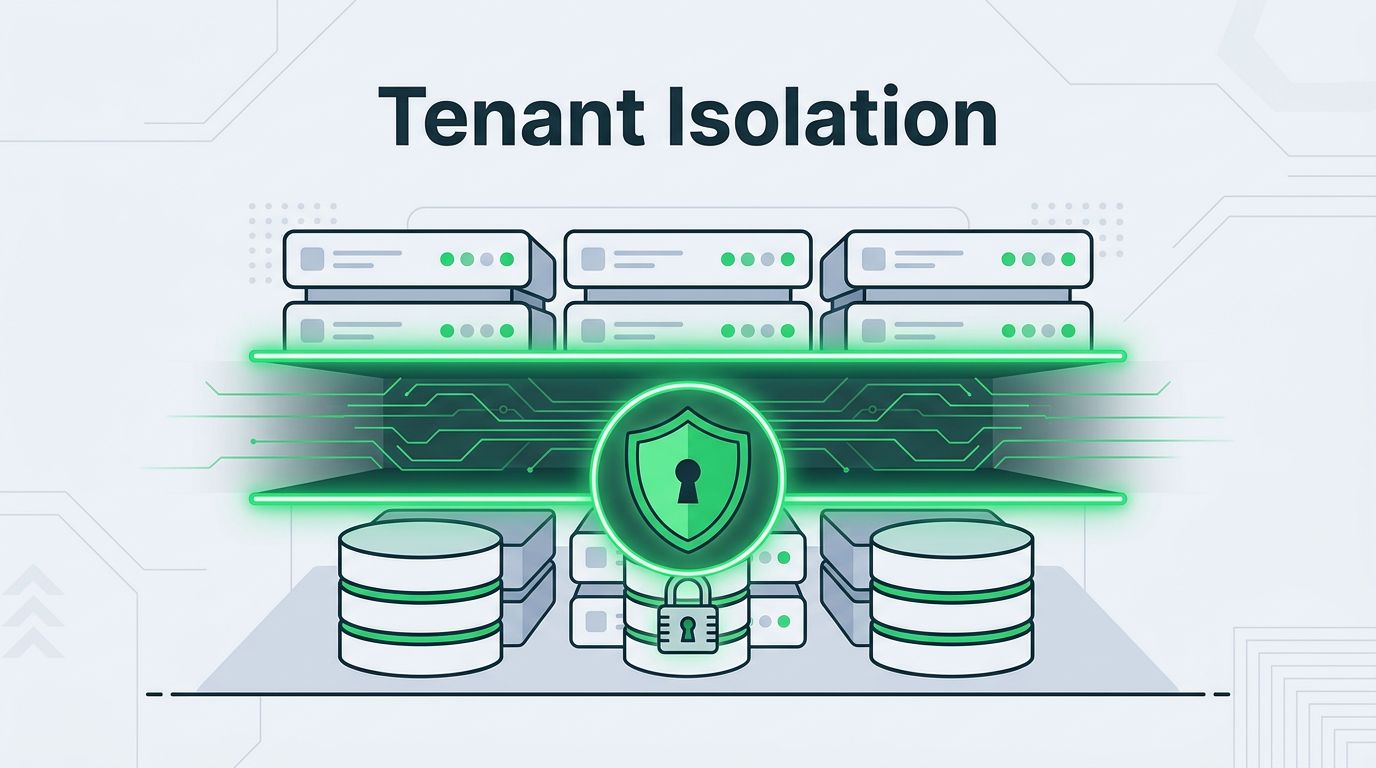
Start with strong isolation. Pick a strategy that fits your scale. Shared databases work with row-level security (RLS). Separate databases cost more but limit blast radius.
Here’s your checklist:
- Establish tenant context early. Use middleware to validate tenant ID from auth tokens. Never trust query params. Bind it to the user session.
- Enforce at database layer. Add
WHERE tenant_id = ?to every query. Enable RLS in Postgres or similar. Test in CI/CD; fail builds without filters. - Choose isolation models wisely. Use row-level for cost savings, schemas per tenant for balance, or databases per tenant for high security. See AWS strategies on SaaS tenant isolation for details.

Avoid IDOR bugs. One SaaS firm lost customer records because reports ignored tenant filters. Audit endpoints: “Does changing tenant_id return wrong data?” If yes, fix it.
Propagate context through services. Microservices need headers like X-Tenant-ID. Validate at each hop.
Storage follows suit. Prefix S3 buckets with tenant IDs and IAM policies. No shared caches without eviction by tenant.
Test breakouts. Swap IDs in Burp Suite. Tools catch 80% of leaks before prod.
Role-Based and Attribute-Based Access Control
Access slips let users from Tenant A edit Tenant B’s records. RBAC sets roles like admin or viewer per tenant. ABAC adds context like time or device.
Many teams stick to RBAC alone. It scales poorly as tenants grow. Combine them for fine control.
Checklist for solid access:
- Define tenant-scoped roles. Map users to roles within their tenant only. Store in a central service.
- Layer RBAC with ABAC. Check role first, then attributes like IP or action type. Use OPA or Cedar policies.
- Enforce everywhere. Backend guards over frontend checks. No client-side bypasses.
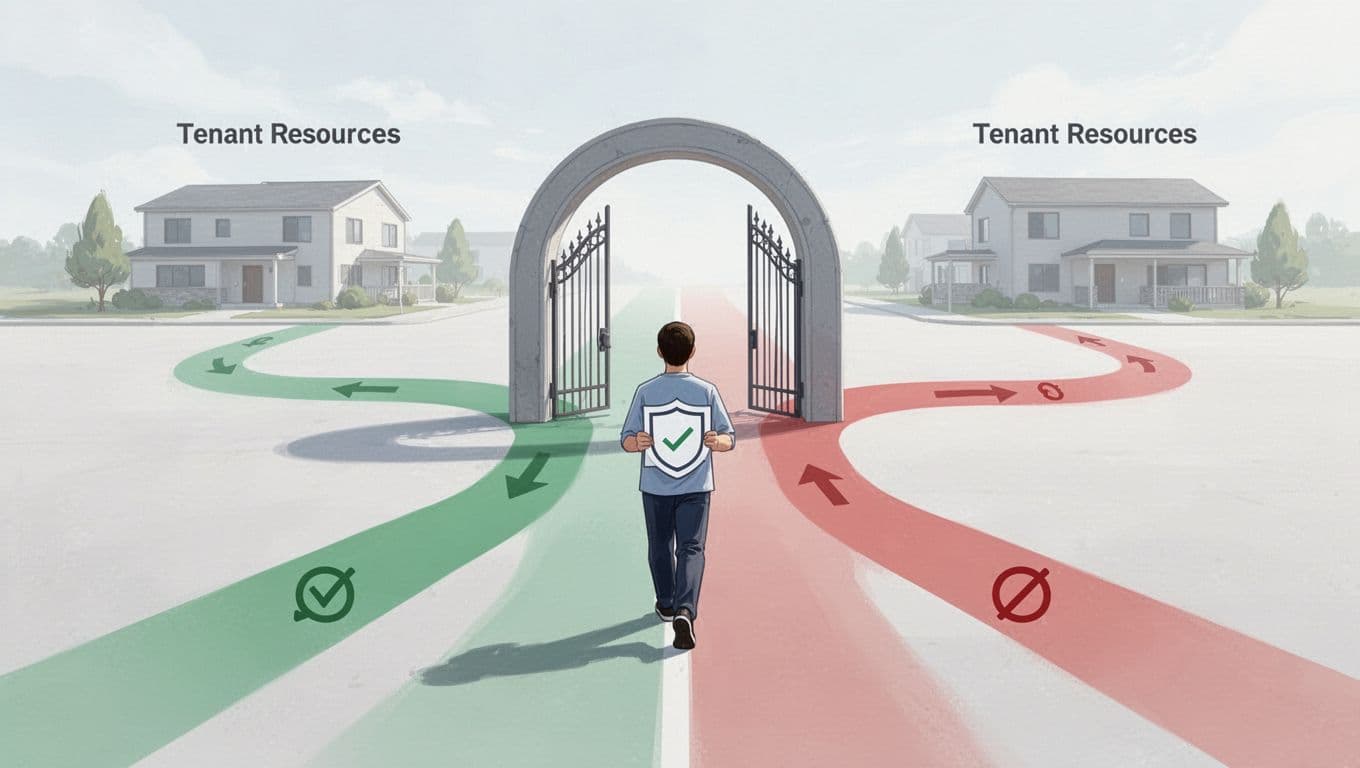
A payroll SaaS got hit in 2026 because ex-employees kept admin roles across tenants. Automate reviews.
Reference AWS guidance on RBAC and ABAC. It shows hybrid models work best.
Query every resource with user-tenant-role filters. Logs flag violations.
Encryption Strategies Checklist
Unencrypted data invites theft. Multi-tenant setups need per-tenant keys. Shared keys doom everyone if one cracks.
Transit gets TLS 1.3 everywhere. At rest, encrypt fields and objects.
Your encryption checklist:
- Use tenant-specific keys. Generate DEKs per tenant via KMS. Rotate every 90 days.
- Field-level for sensitive data. Encrypt PII like emails separately. Query non-sensitive parts.
- BYOK for enterprises. Let tenants manage keys. Prove isolation with audits.

Mistake: One key for all. A 2026 integration breach exposed dozens because keys weren’t scoped. Check OWASP Multi-Tenant Security Cheat Sheet for query tips.
Automate with Lambda on S3 uploads. Enforce prefixes and keys.
Preventing Noisy Neighbor Effects
One tenant hogs CPU and slows everyone. Noisy neighbors kill SLAs.
Quotas fix this. Set limits per tenant on compute, API calls, storage.
Checklist to balance loads:
- Apply resource quotas. Kubernetes limits or cloud service quotas by tenant ID.
- Monitor per tenant. Dashboards track usage. Alert on spikes.
- Scale dynamically. Auto-scale pools based on tenant profiles.

Silo bottlenecks. Separate queues for high-demand tenants. AWS Well-Architected notes this in their SaaS Lens.
Rate limit APIs. Nginx at the edge verifies tenant first.
Audit Logging Essentials
No logs mean blind spots. Tenants demand proof of isolation.
Log every access, change, failure. Scope to tenants.
Checklist for logs:
- Capture tenant context. Every entry tags tenant_id, user_id, action.
- Isolate logs. Separate sinks or partitions per tenant.
- Retain and review. 90 days minimum. Automate searches.
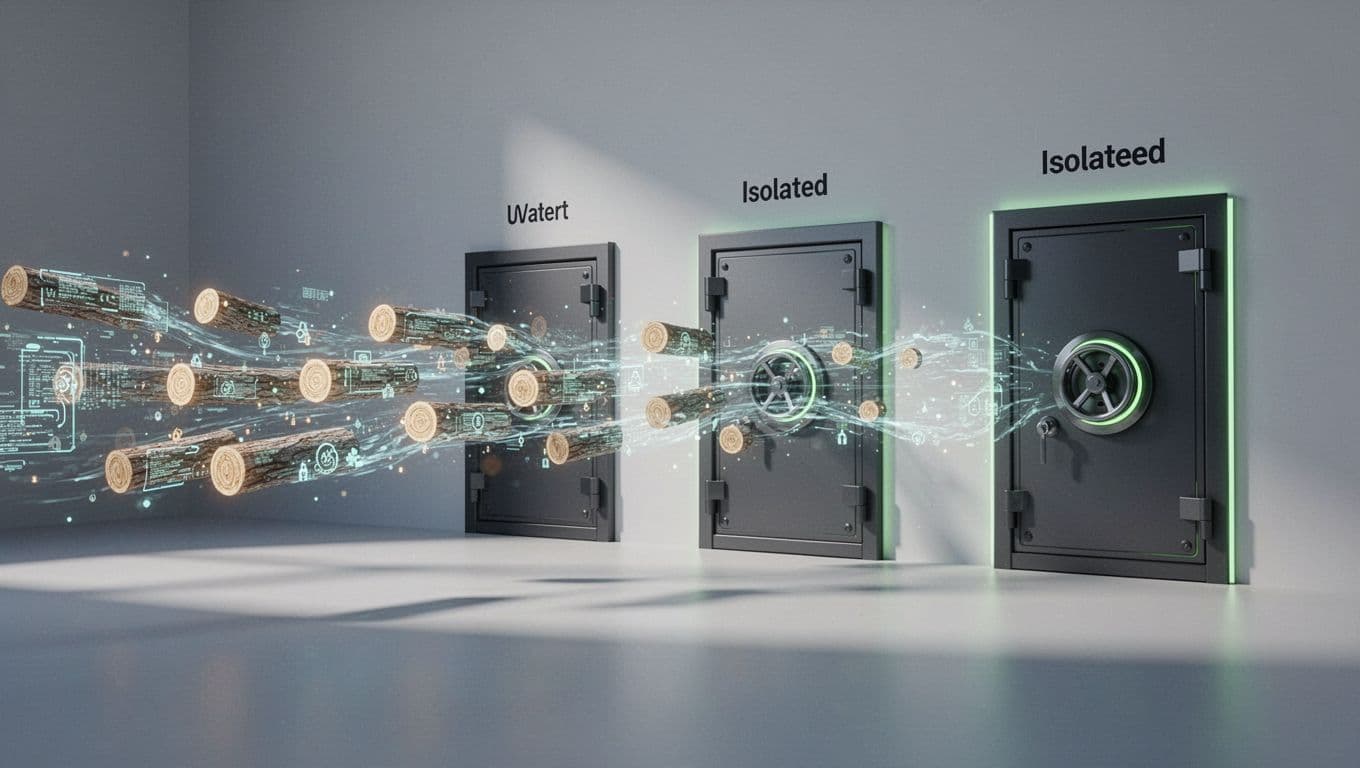
A Slack-like breach in 2025 spilled chats because logs mixed tenants. Use CloudWatch or ELK with filters.
Immutable storage blocks tampering.
Secret Management and Rotation
Secrets like API keys leak fast in shared envs. Hardcode them? Disaster.
Centralize in Vault or SSM. Rotate often.
Checklist:
- Per-tenant secrets. Namespace by tenant. No sharing.
- Automate rotation. Tie to CI/CD. Revoke on offboarding.
- Least privilege. Services fetch just-in-time.
2026 Vercel hit exposed env vars. Use short-lived tokens.
Audit access. Tools like AWS Secrets Manager handle multi-tenancy.
Vulnerability Management Checklist
Vulns in shared code hit all tenants. Patch delays amplify risk.
Scan continuously. Prioritize by tenant impact.
Checklist:
- Scan code and deps. SAST/DAST in pipeline. Fail high CVEs.
- Runtime protection. Containers with vuln scanners.
- Per-tenant patching. Staged rollouts.

OWASP warns single vulns expose all. Test isolation post-patch.
Secure Onboarding and Offboarding
New tenants bring risks. Offboarding leaves backdoors.
Checklist:
- Onboard with checks. Validate domain, set quotas, provision isolated resources.
- Offboard fully. Revoke access, purge data, audit remnants.
- Automate workflows. Scripts over manual steps.
HR SaaS “Payroll Pirates” lingered ex-access. Time-bound sessions help.
Key Takeaways
Secure multi-tenant SaaS starts with isolation checklists. Data stays safe, neighbors stay quiet, logs prove compliance. Breaches like Vercel’s show skips cost big.
Run these now. Test relentlessly. Your tenants thank you.
Book a Discovery Call with Bud Consulting to audit your setup.