table of contents
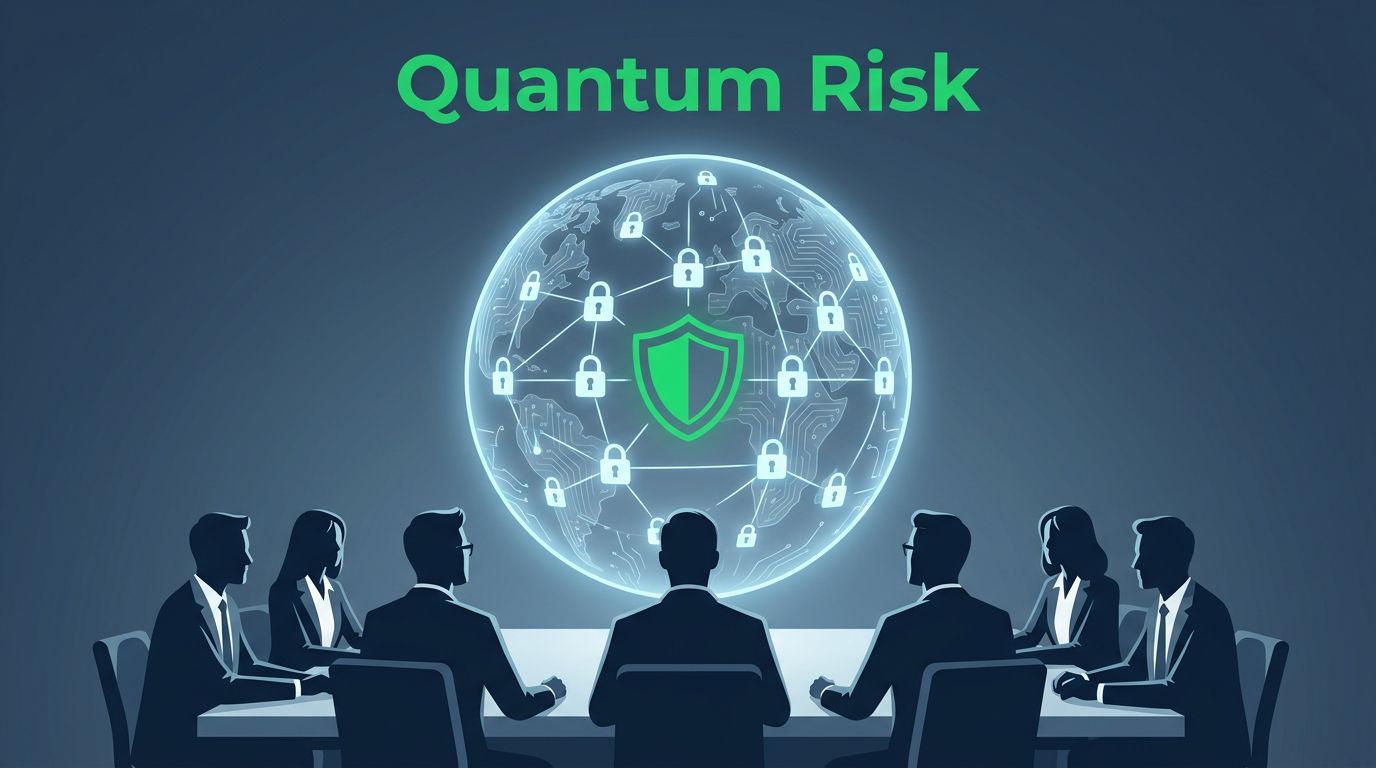
Quantum computers loom closer. They could crack the encryption that guards your company’s data. Boards face real choices now.
You rely on cryptography every day. It secures emails, protects customer info, and locks down cloud storage. But current methods won’t hold against quantum power. In 2026, regulators push for change. Vendors offer tools, yet most firms lag.
This briefing covers the landscape, key spots of risk, business impacts, and steps forward. It equips you to ask sharp questions and guide your team.
The 2026 Landscape
Standards have matured. NIST released three core post-quantum algorithms in 2024: ML-KEM for key exchange, ML-DSA and SLH-DSA for signatures. These sit ready in FIPS 203, 204, and 205. Backup options like FN-DSA and HQC advance too. By May 2026, integration picks up pace.

Vendors step up. Cloudflare hits most traffic with post-quantum protection. Google aims for full internal shift by 2029. IBM, Cisco, and Microsoft build scanners to spot weak crypto. Still, 91% of enterprises lack a plan. Only federal agencies face hard mandates now. Private firms see insurance firms probe readiness in renewals.
Regulators set timelines. NSA targets 2027 for security systems. BSI in Germany calls for critical infrastructure by 2030, others by 2032. CISA lists quantum-safe products for procurement. Contracts soon demand crypto-agility proofs.
Harvest-now-decrypt-later attacks drive urgency. State actors grab encrypted data today. They wait for quantum breakthroughs to unlock it. Google notes this happens now. Recent papers cut qubit needs for breaks. RSA-2048 might fall with under a million qubits, not millions.
Boards must weigh this. Delays cost compliance, trust, and continuity. Ask your CISO: What’s our crypto inventory? Which vendors lag?
Where Do Post-Quantum Risks Appear?
Cryptography hides everywhere in your operations. Public-key systems like RSA and ECC top the vulnerable list. Shor’s algorithm shreds them. Symmetric ciphers like AES need key doubles to AES-256.
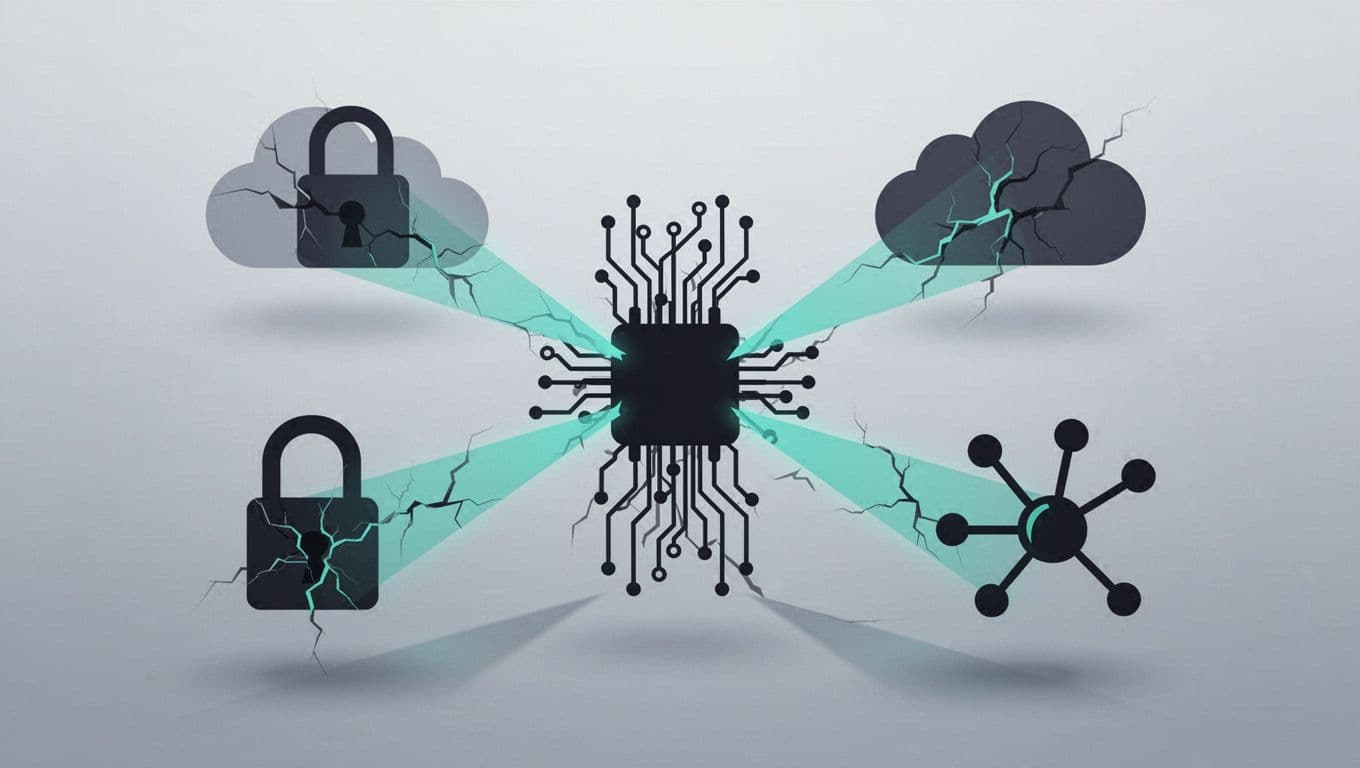
Public key infrastructure (PKI) certifies identities. It powers internal networks and code signing. A break exposes roots of trust. VPNs rely on it for remote access. Weak tunnels invite breaches.
TLS secures web traffic. Sites, APIs, and email all use it. Quantum hits mean man-in-the-middle attacks surge. Identity systems like OAuth or SAML store long-term secrets. Healthcare or finance data stays sensitive for decades.
Cloud services encrypt at rest and in transit. Backups hold years of info. “Harvest now” targets them. Connected devices in IoT fleets run light crypto. Supply chains amplify risks; weak vendors leak your edge.
For example, a bank’s code signing fails. Malware slips in updates. Or a manufacturer’s PKI cracks. Factory controls go dark. These spots demand scans.
Takeaway: Map crypto assets first. Tools from vendors like Microsoft flag exposures. Boards, probe: Have we audited PKI and TLS?
Business Impacts and Governance Needs
Risks hit hard. Compliance bites first. FedRAMP, CMMC demand plans by 2026. HIPAA, PCI-DSS evolve to expect quantum-safe baselines. Fines follow lapses.
Business continuity falters. Decrypted data kills trust. Customers flee breaches. Stock dips on news. “Harvest now” turns old leaks into fresh crises. A 20-year secret decrypted in 2035? That’s your board’s legacy.
Governance gaps widen. Over-reliance on vendors fails. NCSC and NIST warn: Demand roadmaps in contracts. Crypto-agility lets swaps without rips.
Resilience builds value. Early movers gain edge. Insurance eases for prepared firms. See CISA’s procurement advisory on PQC for federal signals.
Yet balance holds. Full swaps take 2-5 years. Hybrid modes mix old and new safely. No need for panic. Focus governance: Assign owners, track metrics.
Questions for management: What’s our data sensitivity timeline? How do we test vendor claims? Boards own oversight here.
Standards Maturity and Vendor Realities
NIST leads. FIPS standards approve now. IETF integrates for protocols. See the Post-Quantum Cryptography Coalition’s 2026 heatmap for progress.
Vendors vary. Apple shields iMessage. Cloudflare pilots broadly. Networking gear lags on latency. CISA splits categories: Widely available get green lights; others face cliffs by late 2026.
Enterprises inventory first. Scanners reveal crypto in apps, OS, hardware. Open libraries support ML-KEM today.
Regulations ramp. CNSA 2.0 mandates for NSS. Commercial echoes in GSA guides. BSI deadlines push critical ops by 2030.
Takeaway: Vet suppliers. Require agility proofs. Boards ask: Which systems use approved algos? What’s the fallback?
Phased Action Plan for Boards
Start simple. Boards drive with oversight, not details.
Phase one: Assess. Inventory crypto in 90 days. Use vendor tools. Rank by data lifespan and threat. Cost: Low, mostly labor.
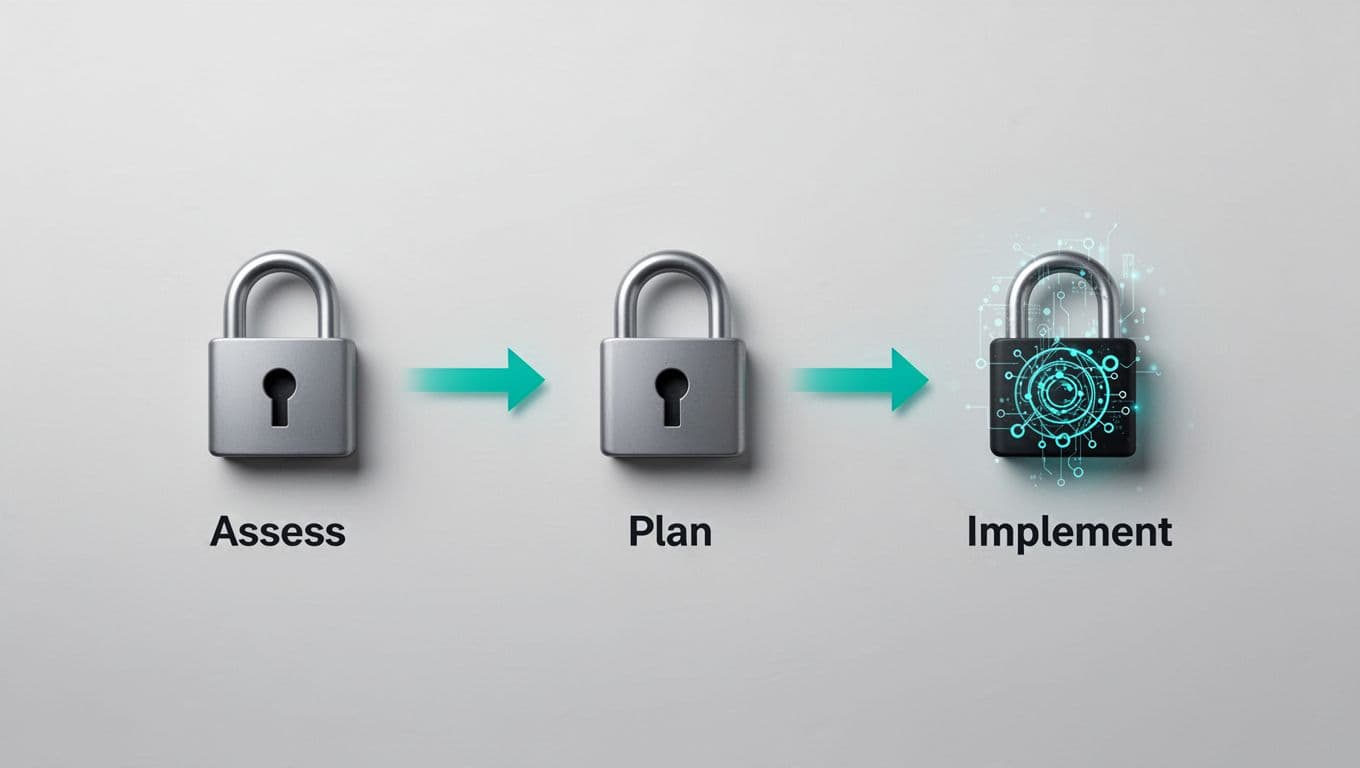
Phase two: Plan. Build roadmap by year-end. Prioritize PKI, TLS. Hybrid deploy. Contract clauses bind vendors. Budget 2-5% of IT spend.
Phase three: Implement. Pilot high-risk in 2027. Full roll by 2030-32. Monitor with audits.
Metrics track: Percent inventoried, hybrids live, vendor compliance.
Questions to pose: Timeline per phase? Budget ask? Gaps in team skills?
Book a Discovery Call with Bud Consulting to vet PQC talent needs.
Key Takeaways
Post-quantum risks demand board attention now. Standards exist; vendors gear up. Yet inventories lag.
Focus protects continuity and compliance. Phased plans deliver without chaos.
Act in 2026. Your data’s lifetime outruns quantum delays. Guide your team to quantum-safe ground.