table of contents
Train R&D Engineers to Prevent IP Theft
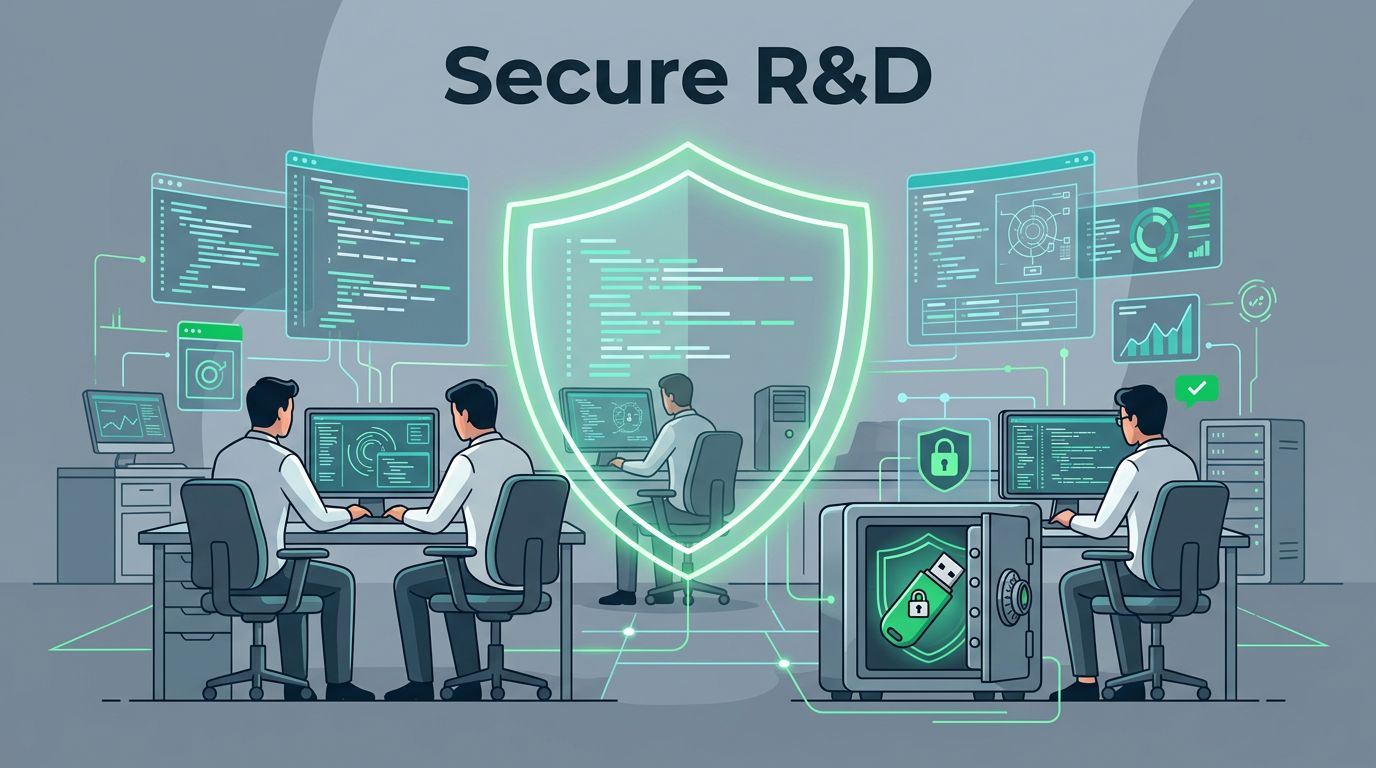
Your R&D team builds the future. One careless email or USB drive can hand competitors years of advantage. In 2026, with hybrid setups and AI tools everywhere, IP theft prevention starts with smart training.
Most breaches come from mistakes, not spies. Engineers share code snippets or prototypes without thinking. You can fix that. This guide shows how training turns risks into habits.
Let’s start with the threats your team faces every day.
Why IP Theft Threatens R&D Teams Most
R&D labs hold the crown jewels: source code, prototypes, design files. A single leak costs millions. Consider a former ASML engineer who stole chip design manuals and sold them to Russian firms. Cases like this show insiders cause 95% of losses, often by accident.
Employees grab files on personal devices during late nights. They chat with contractors over unsecured apps. Malicious theft grabs headlines, but slips happen more. An engineer at GE downloaded chip tech via Gmail and took it home. Simple errors add up.
Training bridges the gap. It teaches why source code repos need commits with care. Managers see fewer alerts from data loss tools. Teams report issues faster. Result? Stronger protection without slowing work.
You lead R&D. Make training routine. It pays off in protected innovations.
Common IP Risks in R&D Workflows
Engineers juggle lab notebooks, cloud storage, and prototypes daily. Risks hide in plain sight. Personal phones snap prototype photos for “quick notes.” Laptops sync design files to home clouds. One click exposes everything.

Distinguish mistakes from malice. A developer pastes code into a public AI tool for debugging. Data leaks to unknown servers. That’s error, not intent. Yet it rivals a DuPont chemist stealing $400 million in secrets by trashing files.
Hybrid work amps dangers. Engineers join calls from coffee shops. Unencrypted drives hold lab data. Generative AI tempts quick fixes but logs inputs forever. Contractors get repo access, then leave with copies.
Spot patterns early. Monitor downloads before exits. Use tools that flag unusual shares. Training helps engineers self-check. They learn personal devices stay out of labs. Phones go in drawers; company laptops get VPNs.
Address these now. Your workflows stay secure.
Hands-On Training Tips for Engineers
Don’t lecture. Make training stick with practice. Start sessions with real scenarios. Show a code repo breach. Have engineers role-play fixes.

Use micro-courses like those from IPTalons Innovation Defense Academy. They cover insider risks in bites. Engineers finish in minutes but retain facts.
Practical steps work best:
Team up for mock audits. Review a shared drive. Spot unprotected files. Discuss fixes together.
Simulate AI risks. Input fake code to ChatGPT. Watch “data” vanish. Then demo approved tools.
Practice disclosures. Write invention notes from prototypes. Get feedback on what counts as IP.
Run quarterly workshops. Invite security pros. Cover cloud rules and contractor NDAs.
Tailor to roles. Hardware folks learn prototype tagging. Software teams master open-source scans.
Track progress. Quiz before and after. Managers note improvements in logs.
These methods build skills fast. Your engineers protect IP without extra effort.
Key Policies to Embed IP Safeguards
Policies guide actions. Make them clear and enforceable. Ban personal email for work files. Require VPNs for all remote access.
Employment agreements set tone. Remind staff of duties on day one. Refresh yearly.
Limit access smartly. Use role-based controls. Junior engineers see less than leads.
For AI, spell out rules. Approve enterprise tools only. Block public ones for sensitive data, as Venable suggests for insider threats.
Exit procedures matter. Revoke access instantly. Interview leavers about obligations.
Tools help enforce. Data loss prevention scans uploads. Alerts flag Gmail sends.
Share policies simply. One-page guides with examples. Post near repos and labs.
Managers enforce consistently. Reward compliance. Praise secure habits in reviews.
Policies alone fail. Pair with training. Then they shape behavior.
Fostering a Security-First Culture
Culture trumps rules. Make security normal. Leaders model it first. Use company drives openly. Skip personal apps.

Celebrate wins. Shout out teams that catch risks. Share anonymized near-misses as lessons.
Involve everyone. Form cross-team groups. They review workflows monthly.
For hybrid setups, standardize tools. Shared screens with encryption. No screen shares from homes.
Academic partners need vetting. NDAs before data shares. Track all exchanges.
Generative AI fits here. Train on prompts that avoid leaks. Use internal models.
Resources like NSF research security training build awareness. Assign modules company-wide.
Measure culture. Survey engineers on confidence levels. Adjust based on feedback.
Security becomes habit. Teams protect IP naturally.
Navigating Hybrid Work and AI in 2026
Hybrid means devices everywhere. Phones mix work and play. AI speeds tasks but swallows data.
Mandate company gear only. Wipe personal BYOD if needed.
For AI, audit usage. Orrick advises restrictions for AI firms. Log prompts. Train on safe alternatives.
Contractors pose risks. Screen them. Use timed access.
DLP tools catch drifts. They block uploads to risky clouds.
Refresh training yearly. Cover new threats like AI data poisoning.
Managers coach one-on-one. Spot weak spots early.
These steps keep pace with 2026 realities.
Key Takeaways for Lasting IP Protection
Training R&D engineers curbs most IP risks. Focus on habits over fear. Hands-on practice and clear policies build defense.
Mistakes drop when culture shifts. Leaders set the example.
Start small. Pick one workshop. Watch compliance rise.
Your innovations stay safe. Book a Discovery Call with Bud Consulting to tailor strategies for your team.