table of contents
Sales teams live and breathe deal data. You pull CRM records, share pipeline updates, and loop in partners daily. But one slip in sales data security exposes customer details, pricing strategies, and competitive intel to the wrong eyes.
Breaches hit hard this year. In May 2026 alone, companies like ADT fell to vishing attacks, where fake calls tricked staff into granting access. Data theft rose 40% globally, often through phishing or weak APIs. Sales leaders can’t ignore this. Your team needs simple rules to share safely without slowing deals.
You can fix this fast. Start with clear playbooks that fit your workflows. These steps keep data locked down and reps productive.
Why Sales Data Security Tops Your Priority List
Deal data fuels revenue. It includes customer names, contract values, and negotiation notes. When shared wrong, it risks leaks that cost millions. Think lost trust or regulatory fines under GDPR or CCPA.
Recent stats show why action matters now. Hackers target CRM systems because they hold goldmines of info. Varonis notes that sales databases often sit exposed, with broad access for old test copies. Your team shares this data in emails, Slack channels, or partner portals every day.
Poor security hurts operations too. A breach pauses deals as you scramble to notify clients. Reps lose time on audits instead of selling. Strong policies prevent that. They align sales with security teams, so everyone moves fast.
Set the tone from leadership. Mandate training on risks like phishing emails that mimic vendor alerts. Then build habits around secure tools. This approach boosts close rates because clients trust secure partners.
Spot Common Risks in Deal Data Sharing
Teams share deal data constantly. You forward CRM screenshots in group chats or paste notes into shared docs. These habits open doors for trouble.
Phishing tops the list. A fake email looks like it’s from your CEO, asking for pipeline details. Reps click and upload files to shady links. Vishing follows close, with callers posing as IT to grab login info, as seen in the ADT breach.
CRM integrations add risks. AI assistants in tools like Salesforce pull deal summaries but might log data to unsecured clouds. Collaboration platforms worsen it. Slack threads with pricing quotes stay forever unless you set retention rules.

Internal slips happen too. Reps use personal devices for quick shares, bypassing company VPNs. Partners get full CRM views without role limits. For details on mapping these risks in your CRM, check Varonis guidance on protecting sales data.
Spot patterns early. Audit shares weekly. Risks drop when you enforce defaults like no screenshots outside approved apps.
Key Policies to Secure Sales Data Flows
Build policies that stick. Start simple so reps adopt them without pushback. Focus on access, encryption, and reviews.
First, control who sees what. Use role-based access in your CRM. Account execs view their deals only. Managers get team pipelines. No one else. Enable multi-factor authentication everywhere. It blocks 99% of account takeovers.
Encrypt data in transit and at rest. Tools like Salesforce Shield handle this out of the box. For partner shares, set expiration links that self-delete after 48 hours.
Train on safe workflows. Ban email attachments for sensitive files. Use secure portals instead. Review AI tools carefully. ChatGPT-style assistants might store prompts with deal info. Pick ones with enterprise controls.
Policies need owners. Assign RevOps to quarterly audits. Security teams approve changes. This setup keeps sales moving. B2B Rocket outlines similar access controls for sales data.
Test with tabletop exercises. Simulate a phishing alert on a mock deal. Reps learn fast and stay sharp.
Safe Versus Unsafe Deal Data Sharing Examples
See the difference in action. Unsafe habits leak data. Safe ones protect it.
Unsafe example: Rep emails a full pipeline spreadsheet to a prospect’s Gmail. It includes competitor bids and client PII. No password. Anyone forwarding it exposes your intel.
Safe alternative: Share a redacted summary via a CRM guest link. It shows only relevant deal stages. Expires in 24 hours. Logs views for audit.
Another unsafe move: Paste deal notes into a public Slack channel during a team huddle. Pricing slips in. Channel archives hold it forever.
Safe fix: Use private channels or threads. Pin a reminder: “Redact prices first.” Or switch to encrypted tools like Signal for exec chats.
AI risks shine here too. Unsafe: Ask a free AI bot, “Summarize this $500K deal with Acme Corp.” It trains on your data.
Safe: Use your company’s approved AI with data isolation. Prompt it vaguely: “Generic negotiation tips for enterprise software.”
Fresh Proposals shares rules like these for call data handling. Real examples build muscle memory. Roll them into onboarding.
Secure Tools and Workflows for Sales Teams
Pick tools that match your stack. Most CRMs offer built-in safeguards.
Salesforce leads with sharing rules and field-level security. Hide salary fields from juniors. Set IP restrictions for remote access. For 2026 updates, Vantage Point covers CRM data security best practices.
HubSpot works for smaller teams. Its role permissions limit views by team. Integrate with secure file shares like Box or Dropbox Business.
Workflows tie it together. Standardize deal reviews in protected apps. Use Gong or Chorus for call transcripts, but enable encryption and access logs.
For partners, portals rule. Salesforce Communities let you share CRM data securely without full logins. Intelemark stresses training plus these tools for B2B teams.
Audit monthly. Revoke ex-rep access same day. These steps cut risks without new budgets.
Your Sales Data Security Playbook Checklist
Put it all in one spot. Adapt this template for your team. Print it, share it, quiz on it.
Here’s a ready checklist:
- Access controls: MFA on? Roles limit views? Audit quarterly.
- Sharing rules: No emails for deals. Use expiring links only.
- Encryption: Files locked? CRM at rest and in transit?
- Training: Monthly phishing sims? Onboard with playbook?
- Tools check: AI approved? Integrations logged?
- Reviews: Weekly share audits? Breach drills twice yearly?
- Partners: Portals set? NDAs signed?
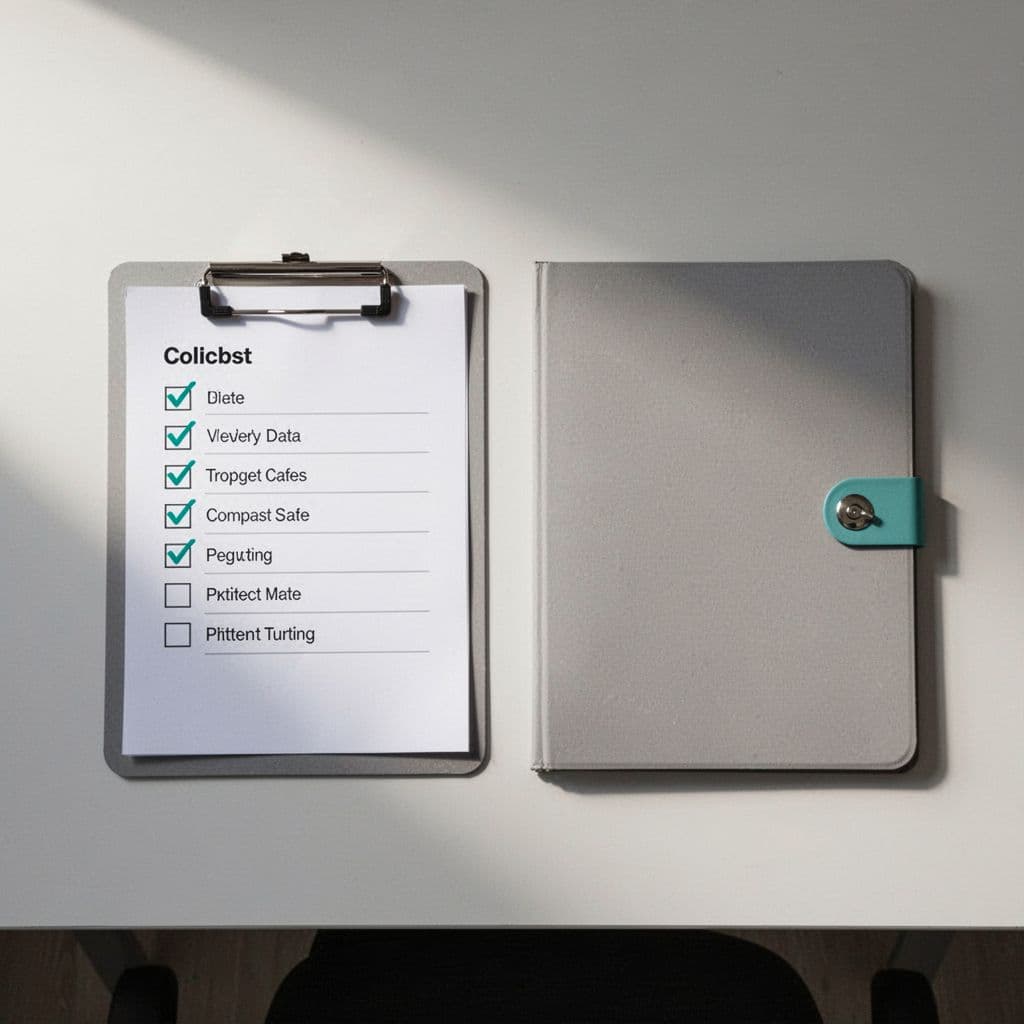
Laminated copies in reps’ workspaces remind them. RevOps tracks compliance via CRM fields. Tweak for your size. It takes one meeting to launch.
Key Takeaways for Lasting Sales Data Security
Secure sharing starts with basics you control today. Policies like role access and expiring links block most threats. Tools in your CRM handle the rest.
Breaches like those in May 2026 remind us risks are real, but preventable. Teams that drill safe habits close deals faster with client trust intact.
Stick to the playbook. Your revenue depends on it. Need expert help to roll this out? Book a Discovery Call with Bud Consulting.
(Word count: 1487)