table of contents
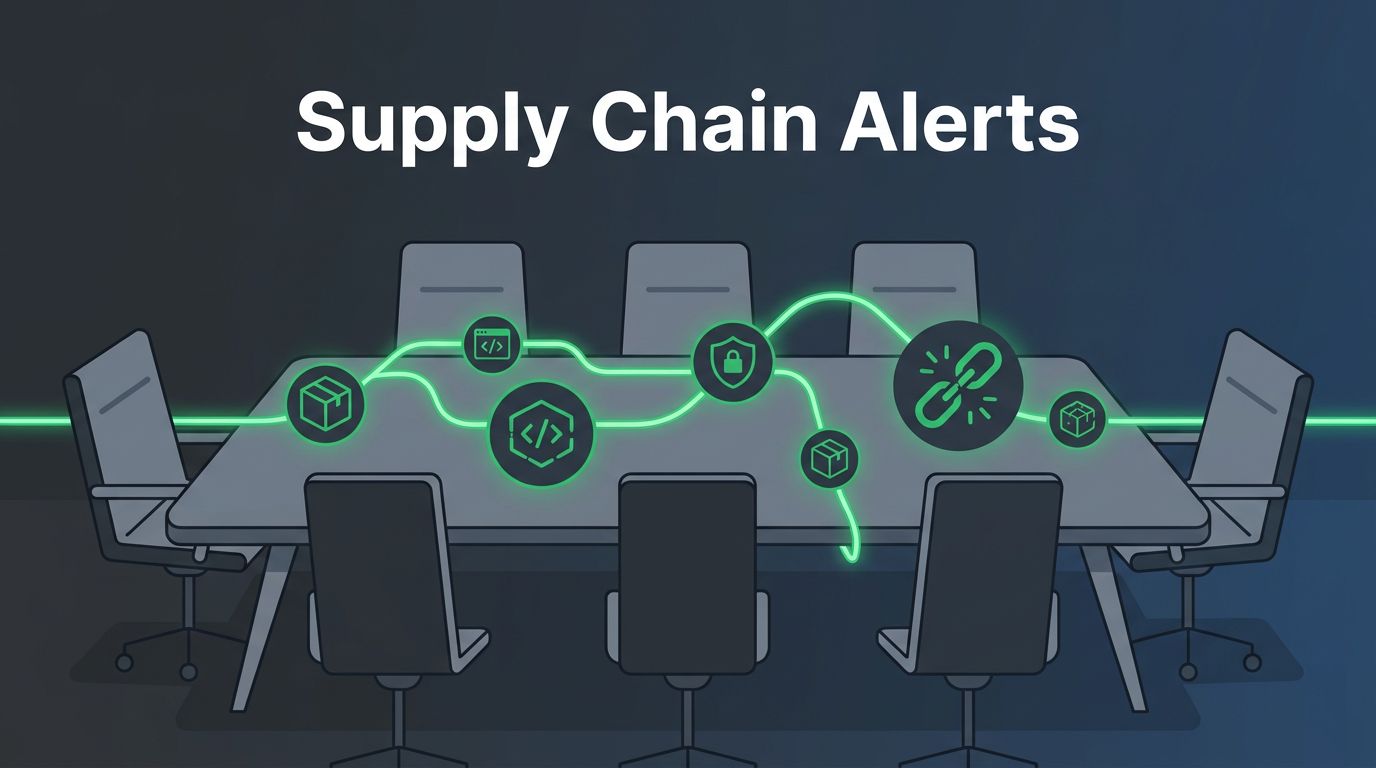
Supply chain attacks hit hard in 2026. Hackers targeted open-source tools like Axios and Trivy, infecting thousands of CI/CD pipelines. These breaches spread fast because companies rely on vendors for software and services.
You face the same risks. One weak vendor can disrupt your operations or steal data. Boards need clear signs of trouble to act early.
This post covers practical warning signs and oversight steps. You’ll learn what to track and how to govern third-party risks.
Why Supply Chain Attacks Threaten Boards
Supply chain attacks exploit trusted vendors. Attackers slip malware into updates or services. Your team pulls in the poison without knowing.
These incidents rose in early 2026. Nation-states and criminals hit npm packages and scanners. For example, the Axios compromise affected 70 million downloads weekly.
Boards oversee these risks. Management handles daily ops. You focus on big-picture exposure.
Vendor concentration adds danger. If one provider serves most needs, a breach cripples everything. Ask your CISO about top dependencies.
Recent trends show shifts. Hackers target shadow IT and unvetted SaaS. They chain attacks across suppliers.
You can’t stop every threat. Spot indicators early to limit damage.
Common Indicators to Monitor
Operational teams watch daily signals. These point to active problems in vendors or code.
Look for unusual code changes first. Spikes in commits from new accounts signal trouble. Open-source repos often hide backdoors this way.
Next, check package downloads. Sudden surges in npm or similar registries raise flags. The Trivy attack showed malware in vulnerability scanners.
Email anomalies matter too. SPF failures or DKIM mismatches from vendors warn of spoofing. See Skysnag’s checklist on supply chain email attacks for specifics.
CI/CD pipeline issues follow. Unauthorized access or odd builds point to compromise. Management should log these events.
Vendor behavior changes count. Delays in patches or poor audit responses scream risk.
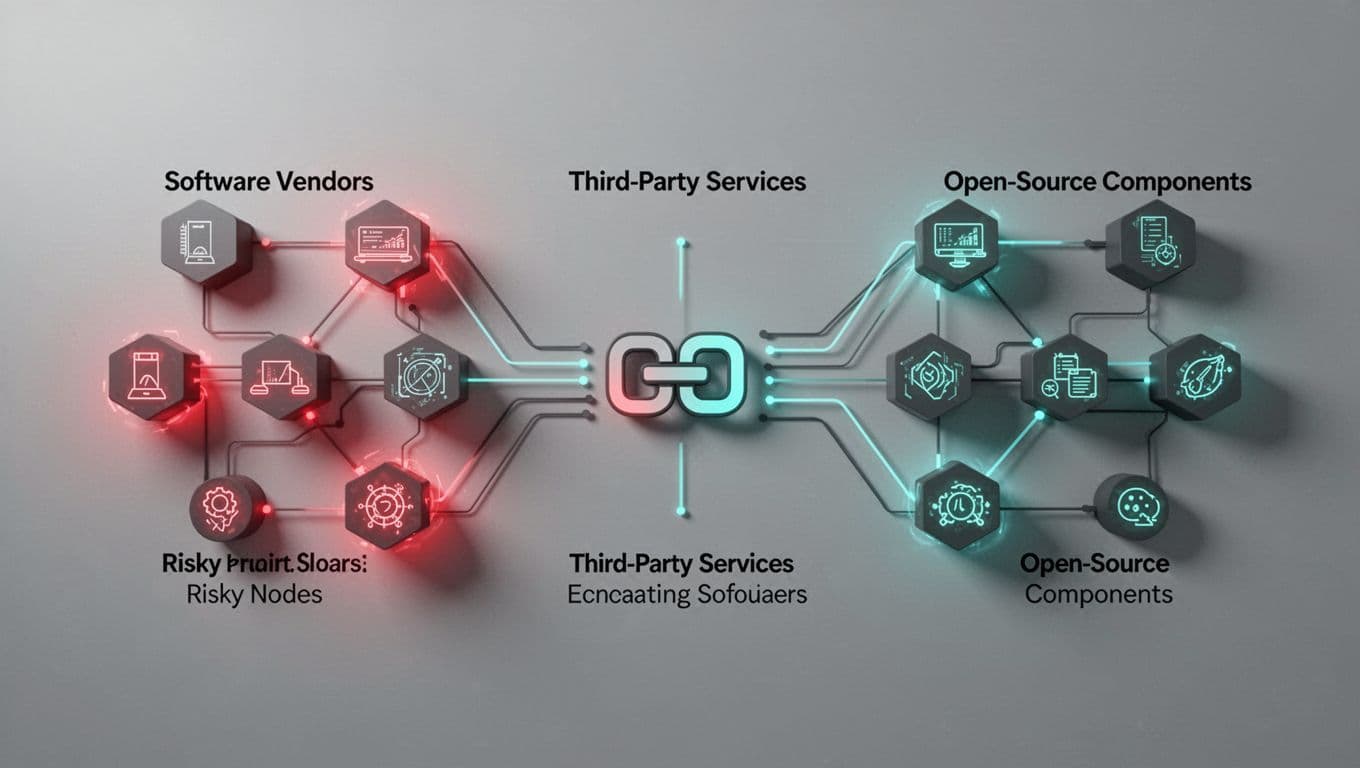
Track these in dashboards. Set alerts for thresholds. This catches issues before they spread.
Board Oversight Indicators
You need metrics beyond ops details. Focus on exposure and resilience.
Start with vendor criticality scores. Rank them by data access and service impact. NACD recommends classifying beyond contract size; check their third-party cyber risk guidance.
Ask about fourth parties. Your vendors use subs. Can management map them?
Concentration risk tops the list. One vendor over 30% of spend? Demand backups.
Resilience measures help. What’s the recovery time if a key supplier fails? Test it quarterly.
Review SBOMs from software vendors. They list components. Gaps show poor practices.

Demand quarterly reports. Tie them to risk appetite. If scores exceed limits, act.
These indicators guide decisions. They separate noise from threats.
Real-World Examples from 2026
Attacks illustrate the points. Take the Axios npm hit on March 31. Hackers hijacked a maintainer account. They pushed malware versions 1.14.1 and 0.30.4. Microsoft linked it to North Korea.
Users in 80% of cloud setups pulled it. Secrets got stolen fast. No full blast radius yet.
Trivy faced similar pain. Attackers poisoned the scanner in March. It ran in thousands of pipelines.
Bitwarden CLI suffered too. A 93-minute window on April 22 let malware spread. Weekly downloads topped 70,000.
SAP-linked packages got hijacked April 29. Malware hid in AI config files. It grabbed cloud creds.
These show patterns. Open-source and CI/CD draw fire. Vendor delays amplified damage.
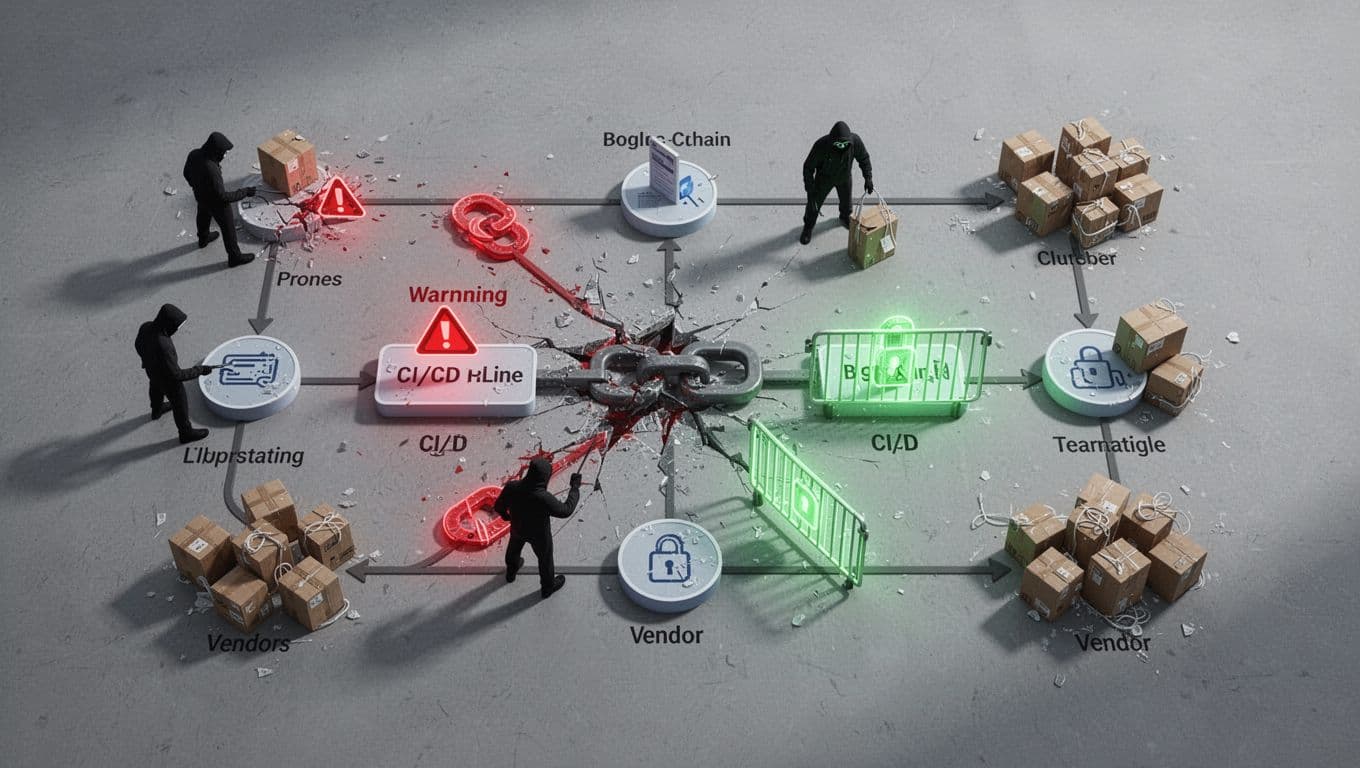
Lessons apply everywhere. Watch for short-lived malicious releases. Demand quick vendor alerts.
Governance Actions for Boards
Set clear policies first. Require vendor risk assessments at onboarding. Include open-source scans.
Mandate contracts with cyber clauses. Force SBOMs and audit rights. CISA’s software supply chain guide offers questions.
Build a review cadence. Quarterly briefings cover top indicators. Use NACD’s board-level metrics.
Diversify vendors. Cap reliance at 25%. Test alternatives yearly.
Train your team. Simulate breaches. Measure response times.
If gaps persist, escalate. Boards approve budgets for tools or hires.
Book a Discovery Call with Bud Consulting to assess your cyber talent needs.
Key Takeaways
Supply chain attacks evolve fast. Boards spot them through targeted indicators.
Focus on oversight metrics like vendor scores and resilience. Demand action on red flags.
Recent breaches prove the cost. Govern now to stay ahead.
Your role matters. Strong oversight protects the business. Start with one report change today.