table of contents
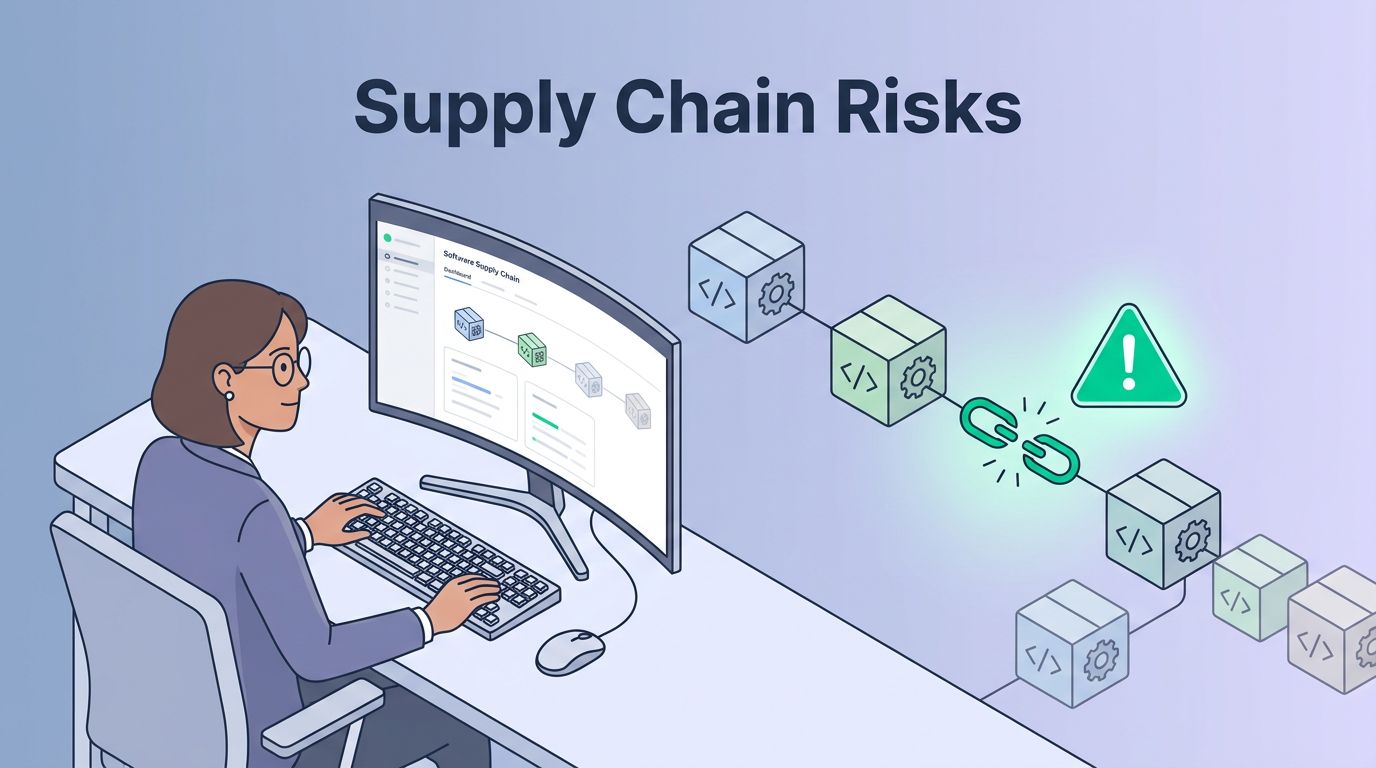
A single compromised library can cripple your entire codebase. In May 2026, TeamPCP hit PyPI packages like PyTorch Lightning and LiteLLM, stealing credentials from developers worldwide. Engineering leads often miss these supply chain risks because they focus on code, not the full pipeline.
You run platforms or lead teams. You know vendors and dependencies power your stack. But overlooked weak spots turn trusted tools into attack vectors. This guide shows you how to train leads to find and fix them.
Start by pinpointing common risks. Then build habits that stick.
Common Supply Chain Risk Spots
Engineering leads chase features. They skip the chain behind their tools. That leaves gaps hackers exploit.
Single-maintainer dependencies top the list. One person controls a library used by millions. If they quit or get phished, updates stop. Risks skyrocket.
Opaque vendor sub-processors hide next. Your SaaS provider outsources code scanning. You don’t see their suppliers. A breach there spreads fast.
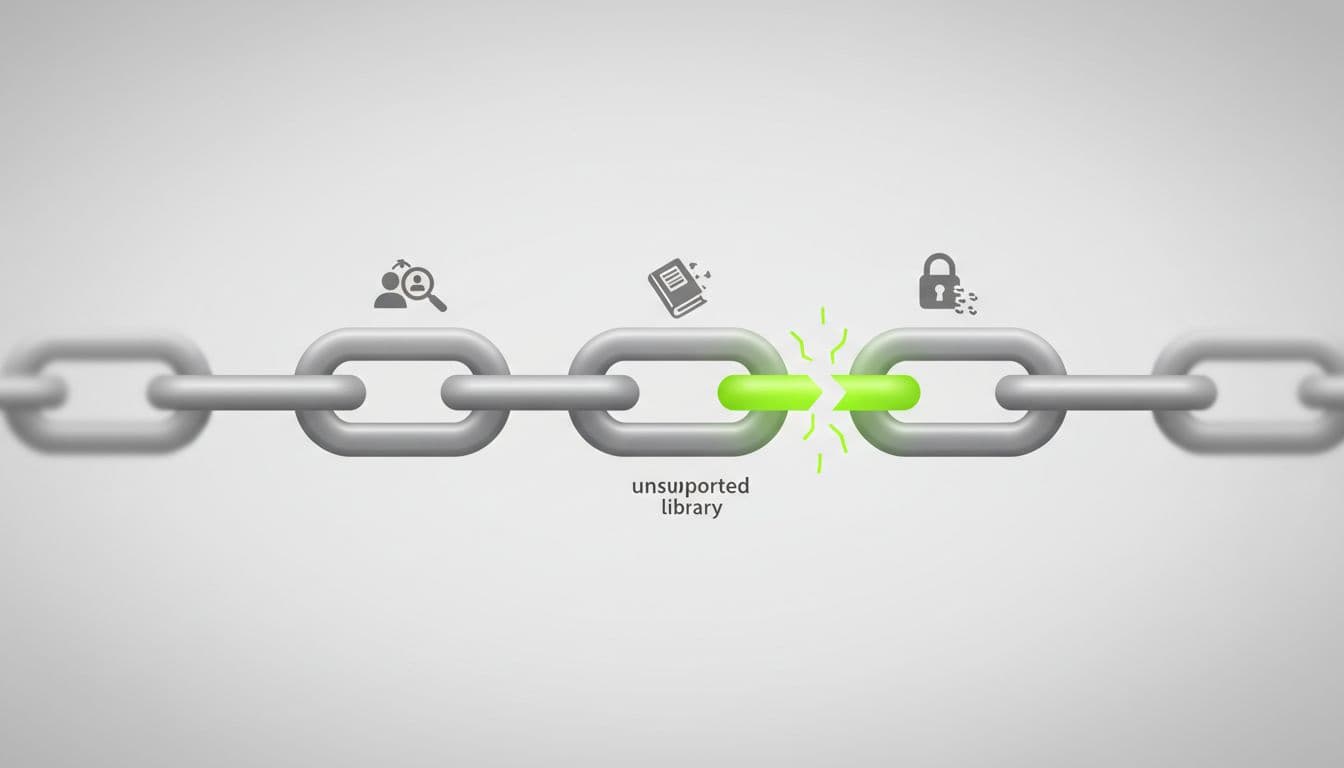
Concentration risk builds when teams pin everything on one cloud region. An outage or regulation hits hard. Add unsupported libraries. Old versions collect vulnerabilities no one patches.
Credential exposure in build pipelines seals the deal. Secrets leak in GitHub Actions or Jenkins. Hackers grab keys and pivot.
Weak SBOM visibility rounds it out. No bill of materials means blind spots in components.
Recent attacks prove it. TeamPCP compromised Telnyx on PyPI in March 2026. They stole AWS and Kubernetes creds. PyTorch Lightning fell in April. Malware ran on import.
Region-specific infrastructure adds pain. EU data laws force localization. One provider glitch cascades.
Train leads to scan for these. Use tools like Syft for SBOMs. Check NIST guidance on SBOMs to contextualize risks.
Spot them early. Your stack stays solid.
Map Dependencies Like a Pro
Leads need a full picture. Dependencies form a web, not a line. Train them to graph it all.
Start with tools. Dependabot or WhiteSource trace packages. Build a dependency graph. Nodes show libraries, vendors, clouds.
Mark risks with icons. Red for single-maintainer. Yellow for unpatched versions.
Do this quarterly. Pull reports into Jira or Confluence. Teams see connections.
For hardware, list chips and firmware. Software pulls in cloud APIs too.
AI code generators add layers. 93% of teams use them now. Scan outputs for fake deps.
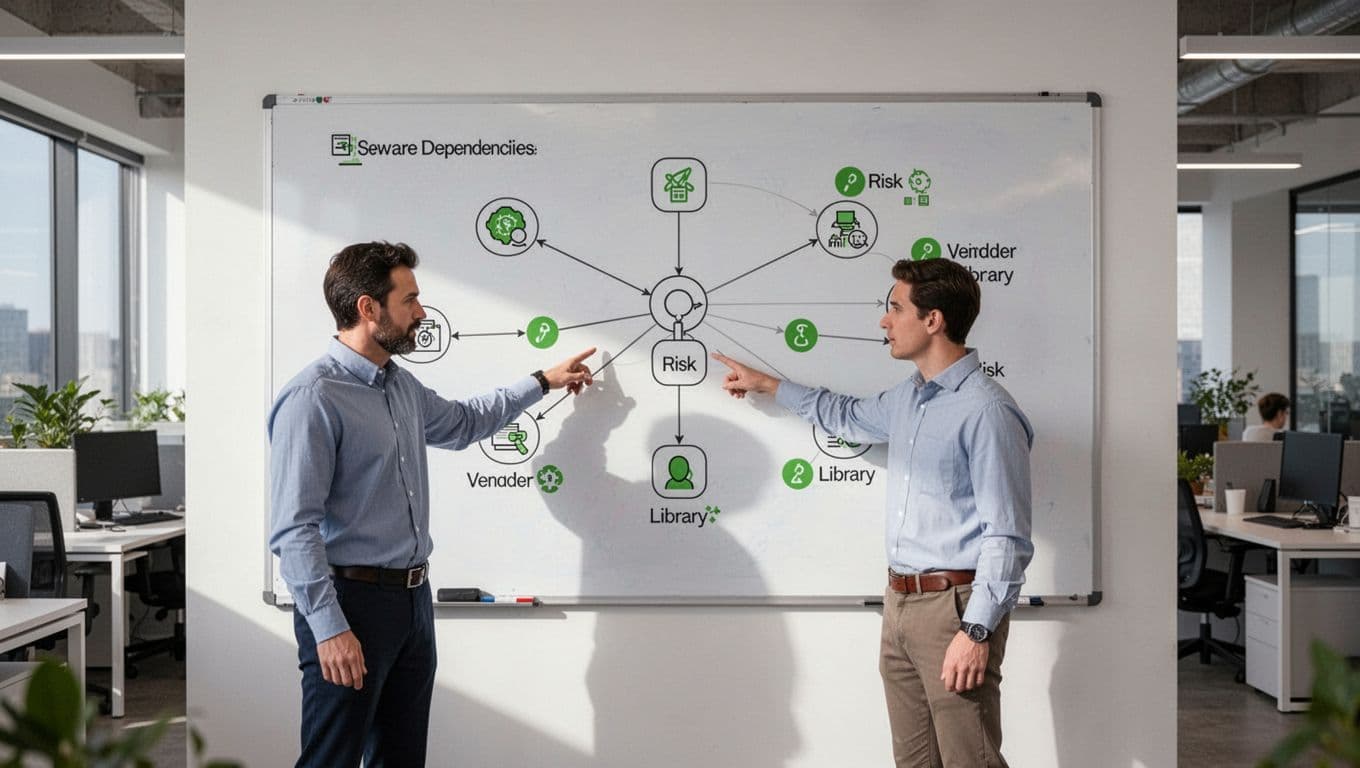
One team mapped their Node.js app. They found 40% deps from one maintainer. Switched half. Risk dropped 60%.
Teach systems thinking. Ask: “What fails if this breaks?” Map upstream too. Vendor’s vendor matters.
Use graph databases like Neo4j for big stacks. Free plugins work fine.
This habit reveals hidden chains. Leads act before breaches hit.
Ask the Right Questions
Vague vendor talks waste time. Train leads to probe deep.
Start with architecture. “Show your SBOM. How do you generate it?” Demand CycloneDX format.
Ask about sub-processors. “Who builds your scanners? List them.” Get contracts with audit rights.
Pipeline security next. “Do you sign artifacts? Rotate creds how often?” Push for ephemeral builds.
For concentration, query: “What regions host data? Backup plans?” Test failover.
On libraries: “How do you triage CVEs? Share your policy.”
Recent npm attacks targeted n8n nodes. Malicious packages stole OAuth tokens. Leads who asked caught it early.

Role-play in training. Mock vendor calls. Score answers.
Reference Veracode’s supply chain risk guide for question templates.
Better questions build trust. Weak vendors self-select out.
Build Ongoing Review Habits
One audit won’t cut it. Attacks evolve fast. In 2026, AI automates them.
Schedule monthly scans. Integrate into CI/CD. Block unsigned artifacts.
Train leads on red team exercises. Simulate a poisoned package. Time their response.
Track metrics. Dependency freshness score. Vendor risk ratings.
Use dashboards. Grafana pulls SBOM data. Alert on unsupported libs.
For credentials, enforce vault tools. HashiCorp or AWS Secrets Manager. Audit access logs weekly.
Region risks? Rotate providers yearly. Test multi-cloud failover.
Teams that review weekly caught 80% more issues, per DeepStrike data.
Share war stories. Discuss TeamPCP’s PyPI hits. What would you change?
Make it routine. Leads own the chain.
Train with Systems Thinking
Siloed views fail. Teach leads to connect dots.
Run workshops. Use Chainguard courses on supply chain security. Cover SBOMs and signing.
Frame risks as systems. One leak affects ten services.
Practice mapping live. Pick a service. Graph it together.
Encourage questions across teams. Infra asks dev about deps. Security joins standups.
In 2026, EU rules demand proof. Train for compliance too.
Buddy system works. Pair juniors with seniors. Review each other’s graphs.
This mindset shifts culture. Risks become visible daily.
Key Takeaways
Supply chain risks hide in plain sight. Train leads to map deps, ask sharp questions, and review often.
Focus on single-maintainer code, weak SBOMs, and credential leaks first. Systems thinking turns blind spots into strengths.
Start a workshop this week. Your platform will thank you.
Book a Discovery Call with Bud Consulting to build your security team.