table of contents
Cyber threats hit organizations every day. You face tough choices on risk priorities and strategy. A virtual security advisory council gives you trusted input from experts without the hassle of in-person meetings.
This group meets online to guide your cybersecurity decisions. Members offer diverse views on threats, products, and compliance. You gain clarity and buy-in from leaders.
Follow these steps to build one that works for your team.
What a Virtual Security Advisory Council Does
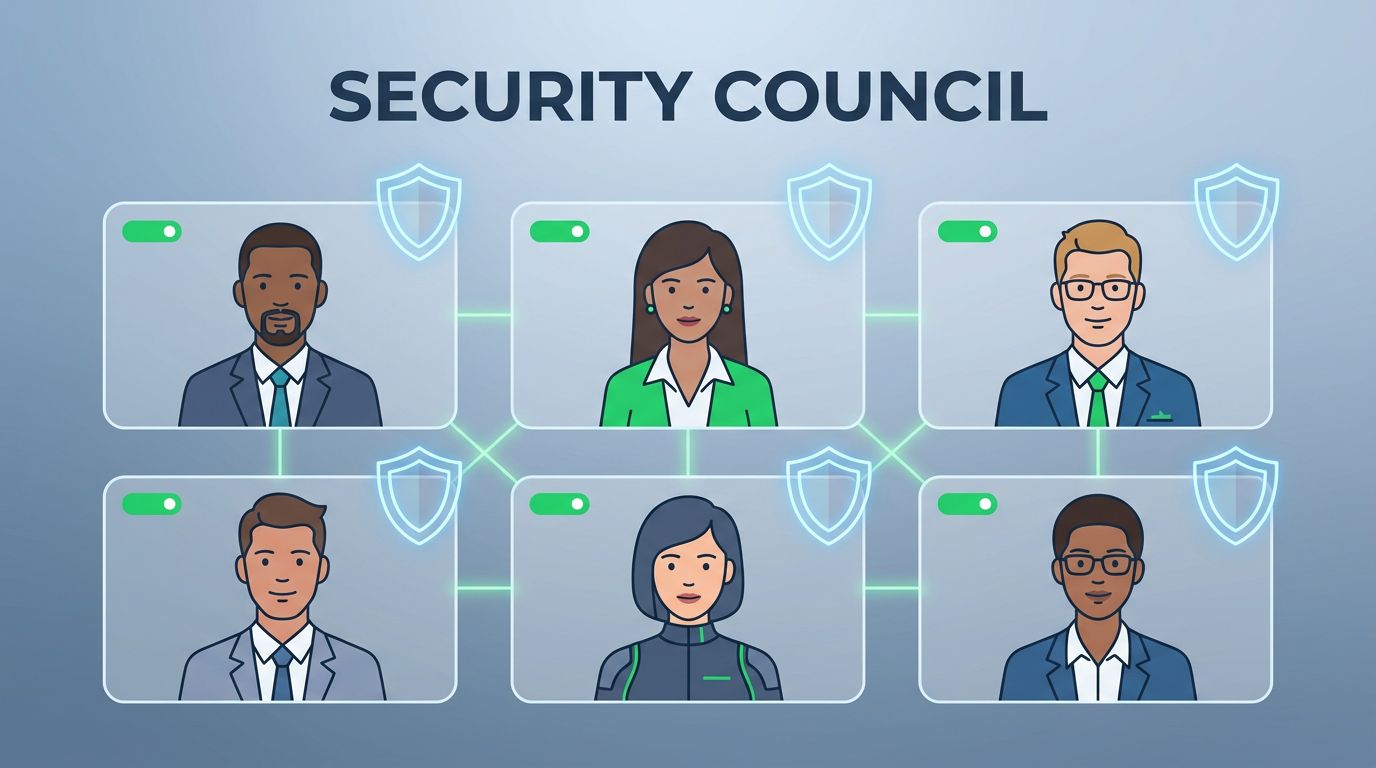
A virtual security advisory council is a small group of external experts who advise your organization on cybersecurity matters. They connect via video calls a few times a year. Their role stays focused: provide honest feedback on your risks, strategies, and plans.
Unlike full-time staff, these advisors bring outside perspectives. They spot blind spots in your defenses. For example, one might flag gaps in your cloud setup that insiders miss.
This setup fits 2026 realities. Remote work dominates. Tools like secure video platforms make global input easy. Councils help CISOs align security with business goals.
Organizations form them to tackle complex issues. Think supply chain attacks or AI-driven threats. Advisors help you stay ahead. They also build trust with executives who need simple explanations of risks.
Expect 5 to 8 members. Meet quarterly for 90 minutes. Keep it lean so everyone stays engaged.
Why Form One Now
Your security team handles daily fires. A council steps back for big-picture advice. It shapes product roadmaps and risk budgets.
Diversity drives value. Include voices from finance, legal, and tech. They balance technical fixes with business costs. Results show faster decisions and better outcomes.
In mid-sized firms or SaaS companies, councils bridge gaps. Founders get expert guidance without hiring full-time. IT execs gain allies for budget fights.
Executive sponsorship matters most. Get your CEO or board chair involved early. They ensure follow-through on advice.
Data backs this. Groups with structured input cut breach response times. They also boost culture by showing commitment to security.
Skip this if you have all answers internally. Most don’t. A council fills those gaps.
Key Differences from Informal Advisor Groups
Informal chats with experts feel easy. But they lack structure. Advice scatters across emails or quick calls. No accountability follows.
A formal virtual council changes that. You set clear goals upfront. Members commit to regular input. Minutes track discussions.
Governance sets it apart. NDAs protect sensitive info. Conflict rules keep biases in check. Informal groups skip these, risking leaks or bad fits.
Remote tools add polish. Use encrypted platforms with lobbies and screen controls. This beats casual Zooms.
Formal councils last longer. Rotate members every two years for fresh views. Informal ones fizzle without purpose.
Choose formal for strategy shifts. Use informal for one-off questions.
The Step-by-Step Process
Start with purpose. Outline 3 to 5 goals like “rank top risks” or “vet vendor choices.”
Next, recruit. Target peers from similar firms.
Set rules. Draft charter with roles and cadence.
Plan first meeting. Share agenda week ahead.
Act on output. Assign owners and check progress.
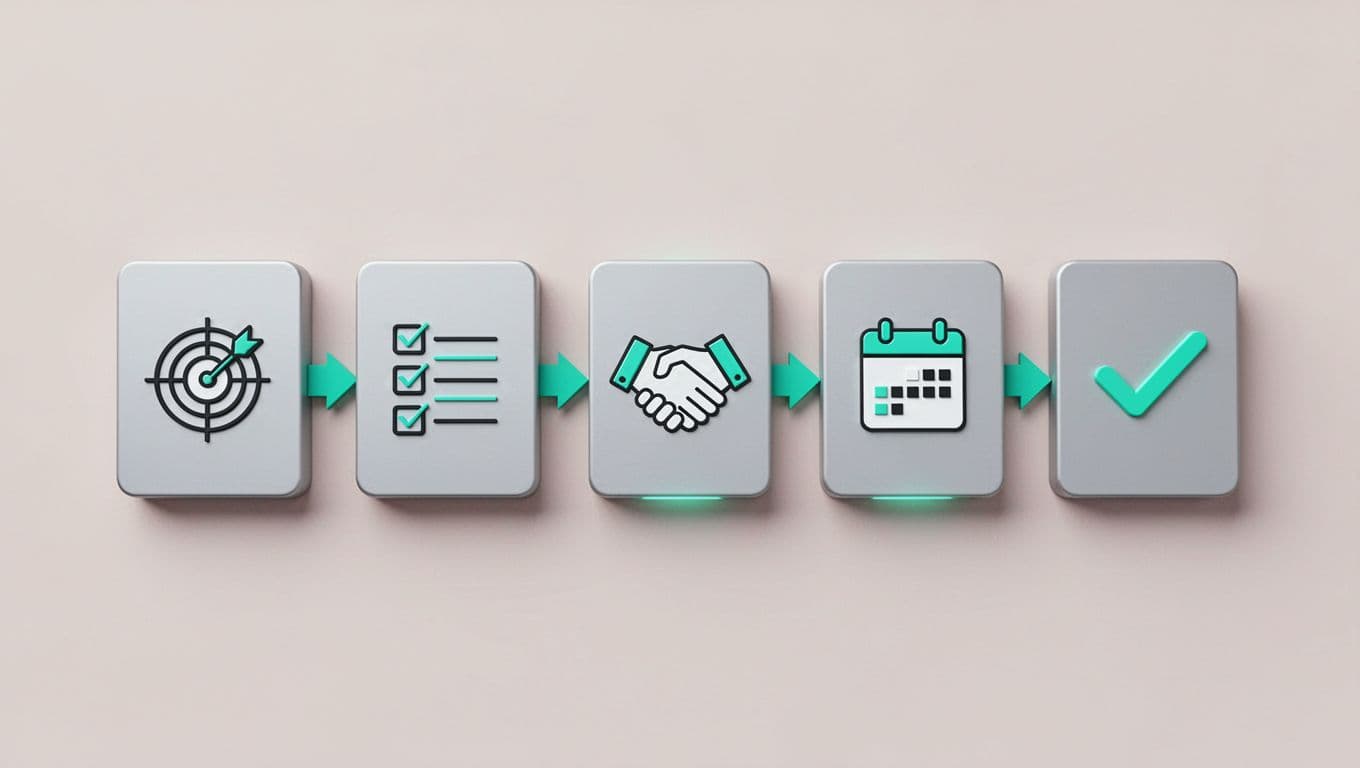
This process takes 4 to 6 weeks. Test with a pilot meeting. Adjust based on feedback.
Recruiting the Right Members
Look for balance. Aim for cybersecurity pros, customers, and industry peers. TechTarget outlines ideal traits like business knowledge and compliance experience.
Diversity counts. Mix genders, backgrounds, and roles. One CISO, a regulator, a vendor expert, and a finance lead work well.
Criteria include:
- 10+ years in security.
- Experience at peer firms.
- No direct competitors.
- Willingness to commit quarterly.
Reach out via networks or recruiters. Bud Consulting specializes in vetting senior talent like cloud architects or CISOs. Book a Discovery Call with Bud Consulting if you need help sourcing.
Vet with calls. Ask about past advice roles. Check references.
Cap at 8. Smaller groups decide faster.

Onboard with a welcome packet. Share your charter and goals.
Governance Essentials for Trust
Trust builds the council. Start with mutual NDAs. Everyone signs before first call.
Handle conflicts head-on. Disclose ties to vendors. Recuse from biased topics.
Microsoft’s guide on board committees stresses clear mandates. Yours should spell out scope, no decision power, just advice.
For virtual setup, follow NIST tips on preventing eavesdropping in meetings. Use passwords, lock rooms, host-only screens.
Charter covers cadence, prep time, and rotation. Sponsor approves it.
Track via shared drive. Limit access to members.
These steps prevent issues. Councils thrive on openness.
Planning Your Meetings
Quarterly works best. 90 minutes keeps focus sharp.
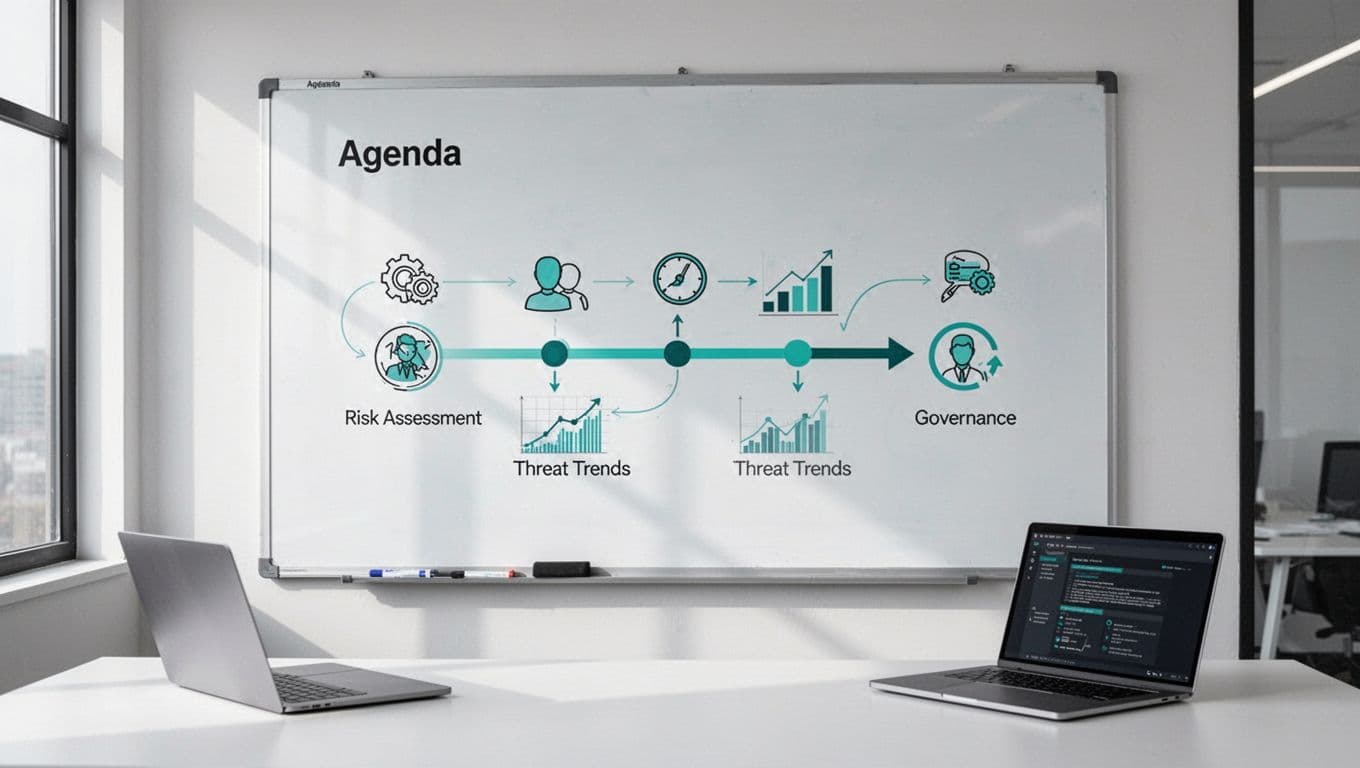
Sample topics from CISA resources include threat trends and response plans. Others: risk rankings, tool evaluations, culture metrics.
Build agendas like this:
- Quick wins review (10 min).
- Deep dive (40 min).
- Open Q&A (20 min).
- Next steps (20 min).
Share docs 48 hours early. Use polls for priorities.
Boost remote participation. Rotate facilitators. Record with permission. Test tech 30 min before.
CISecurity’s videoconferencing guide lists attacks to avoid. Enable waiting rooms.
End with action items. You own follow-up.
Driving Follow-Through and Long-Term Success
Advice means little without action. Assign owners per item. Update next meeting.
Measure impact. Track if risks dropped or budgets shifted.
Sponsor reviews quarterly. They push roadblocks.
Refresh every 18 months. Add new voices.
Common pitfalls: too many topics or no prep. Fix with tight agendas.
In 2026, async tools like shared slacks help between calls. But live discussion sparks best ideas.
Sustain with thanks. Small perks like reports keep members keen.
Conclusion
A virtual security advisory council sharpens your edge. It delivers diverse, actionable input on key risks.
You now have the steps: define goals, recruit wisely, govern tight, meet smart, follow through.
Strong sponsorship and trust make it stick. Start small. Watch decisions improve.
Your team deserves this boost.